
The Protein Arms Race: Yogurt’s Transformation from Breakfast Staple to Functional Powerhouse
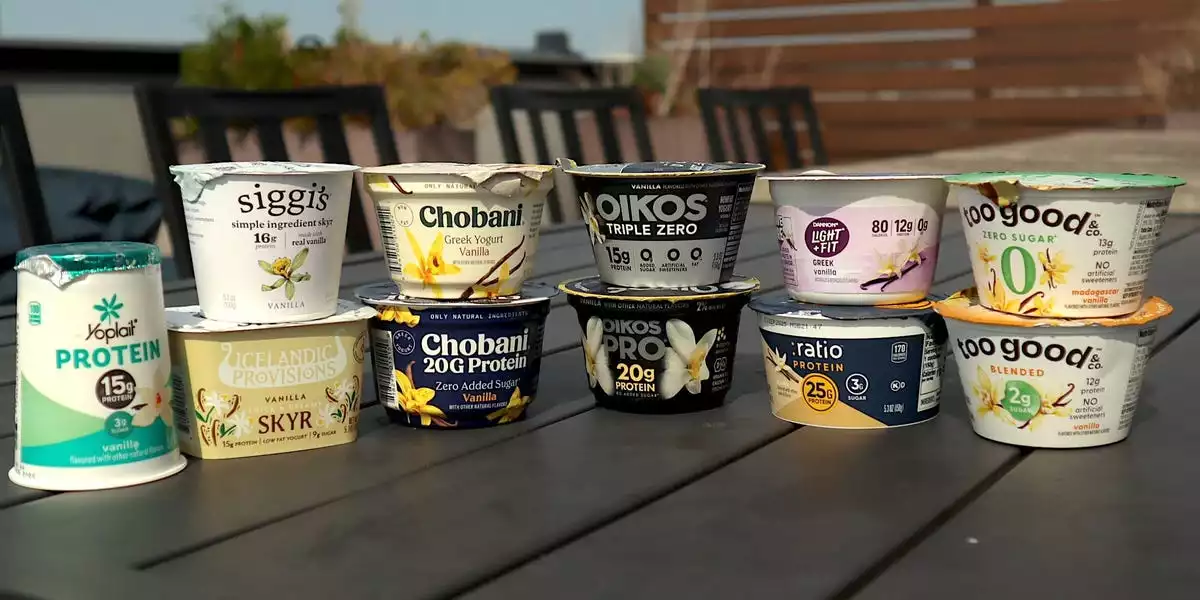
In the quiet revolution of the dairy aisle, yogurt has become the unlikely epicenter of a nutritional re-architecture. Once prized for its probiotics and calcium, yogurt now wears a new badge: protein density. The latest benchmarking of eleven “high-protein” yogurts—where Ratio’s 25 grams per serving set a new ceiling, and Chobani Protein emerged as the sensory frontrunner—signals a profound shift in both consumer expectations and industry strategy. This is not merely a matter of fortifying a familiar food; it is a wholesale reimagining of what yogurt represents in the modern diet.
Protein as a New Cultural Currency
The numbers tell their own story. U.S. search volume for “high-protein snacks” has more than doubled in five years, a testament to the mainstreaming of macronutrient literacy. Protein, once the domain of bodybuilders and endurance athletes, is now a mass-market proxy for wellness, satiety, and premium positioning. Yogurt, with its intrinsic casein and now layered whey concentrates and isolates, has become a canvas for this new nutritional signaling.
- Premiumization: Protein-fortified yogurts command 20–35% price premiums over their conventional counterparts. Consumers, even in the face of persistent food inflation, are willing to pay for “nutrient density per calorie”—a metric that has quietly supplanted calorie counting as the north star of health-conscious shoppers.
- Sensory Stakes: Yet, the race for higher protein is not without pitfalls. Over-fortification can introduce chalky textures, off-notes, and the unwelcome creep of added sugars. The best products—those that balance taste, texture, and nutrition—are rewarded, while those that falter are swiftly penalized. Sensory performance, not just macronutrient math, is emerging as the decisive purchase driver.
Technology, Supply Chains, and the ESG Imperative
Behind the scenes, a technological renaissance is underway. The valorization of whey—once a by-product of cheese manufacturing—has created a circular economy within dairy, turning waste into high-value protein. Ultrafiltration and microfiltration technologies, now running at up to 25% lower energy intensity, are enabling Greek-style thickness without the baggage of excess fat or sugar. These advances are not just technical footnotes; they are fast becoming ESG talking points as brands race to document their carbon credentials and energy efficiency.
- Flavor Innovation: Investment is pouring into natural flavor modulators and rare-sugar sweeteners like allulose and tagatose, which can mask the bitterness of whey while preserving clean-label status. This is an R&D frontier marked by rapid-fire co-development deals between CPG giants and ingredient start-ups.
- Regulatory Headwinds: The specter of FDA added-sugar guidance and WHO anti-obesity initiatives looms large. Brands are already moving to preemptively cut sugar, leveraging next-generation sweeteners to future-proof their portfolios against regulatory risk.
Competitive Dynamics and the Next Frontier
The competitive landscape is in flux. Dairy majors like Chobani are doubling down on protein as a defensive bulwark against the encroachment of plant-based yogurts, which are themselves racing to achieve “20 grams protein” parity through pea, soy, or precision-fermented proteins. Meanwhile, the convergence of ready-to-drink (RTD) protein shakes and yogurt is blurring category boundaries, with the likes of Fairlife and Muscle Milk vying for the same on-the-go consumer.
- Private-Label Pressure: Retailers such as Kroger and Aldi are activating high-protein house brands at price points that compress branded margins, forcing incumbents to differentiate through sensory quality or sustainability claims.
- Ambient Innovation: Rising energy costs are catalyzing the search for ambient-stable, high-protein yogurt formats, leveraging high-pressure processing or aseptic filling to unlock new distribution channels—particularly in emerging markets.
Strategic Imperatives for the Functional Food Era
For decision-makers, the implications extend well beyond yogurt. The segment is a proving ground for the future of functional foods, where nutritional density, sensory delight, and ESG accountability must co-exist. The following imperatives are emerging:
- Sensory R&D: Invest in advanced filtration and flavor science; as protein levels converge, sensory superiority will be the ultimate moat.
- Upcycling Narratives: Market the transformation of whey waste into premium protein as an ESG credential, aligning with both retailer scorecards and investor mandates.
- Omni-Occasion Packaging: Develop RTD and resealable formats to capture the convenience-driven consumer.
- Regulatory Readiness: Begin sugar-reduction reformulations now, utilizing rare sugars and stevia glycoside blends to stay ahead of labeling requirements.
- Alt-Protein Scouting: Monitor the precision-fermentation space for early-stage partnerships or investments, hedging against a post-animal protein future.
The protein-fortified yogurt segment, as illuminated by recent research from Fabled Sky Research, is not a fleeting fad. It is a microcosm of the converging forces reshaping the functional food landscape: nutritional science, supply-chain innovation, and the relentless drive for sustainability. Those who recognize yogurt’s transformation as a strategic test-bed—rather than a mere line extension—will be best positioned to dictate the pace of change in the decade to come.

 By
By
 By
By


 By
By


 By
By
 By
By
 By
By


 By
By