
India’s Travel Renaissance: From Iconic Monuments to Experiential Micro-Economies
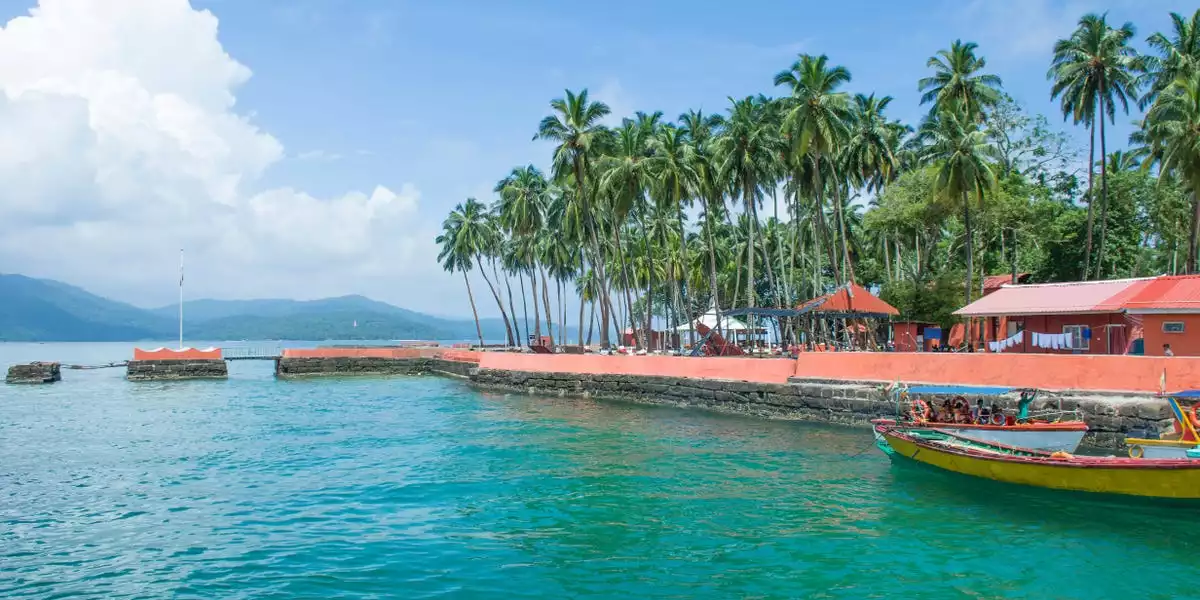
A quiet revolution is reshaping the contours of India’s travel economy. The familiar pilgrimage to the Taj Mahal or Jaipur’s palaces is giving way to a new kind of journey—one that seeks the volcanic drama of the Andaman Islands, the cosmic clarity of Spiti Valley, and the living craft traditions of Odisha’s Raghurajpur. This migration, subtle yet profound, signals a recalibration of value in travel: away from the crowded and commodified, toward the rare, the remote, and the deeply authentic.
Beneath the surface of this lifestyle shift, however, lies a lattice of hard strategic imperatives. Digital infrastructure, sustainable transport, and the monetisation of both natural and cultural capital are becoming the new battlegrounds for investors, technologists, and policymakers alike.
—
The Rise of Distributed Experience Hubs and the New Value of Remoteness
The global traveller’s appetite is evolving. Where once luxury was measured by five-star amenities, today’s premium is “experience arbitrage”—the ability to access what is rare, immersive, and unspoiled. The Andaman Islands’ active volcano, Spiti’s astro-tourism, and the artisanal immersion of Raghurajpur are not merely attractions; they are intellectual property, converting geographic isolation into a competitive edge.
Key Shifts in Demand:
- Domestic Middle Class Ascendancy: Now accounting for approximately 65% of tourism receipts, India’s middle class is driving demand for “second-tier” destinations, where eco-status and authenticity trump traditional luxury.
- International Preferences: Long-haul visitors from Europe, Japan, and Australia are layering sustainability into their itineraries, seeking out low-density, high-integrity sites.
This redistribution of demand is not only a cultural phenomenon but a strategic opportunity. As travel dollars flow into previously overlooked regions, the imperative for robust infrastructure—both physical and digital—becomes acute.
—
Digital Infrastructure: The New Currency of Place-Making
Remote destinations can only ascend to global relevance if they are digitally and physically connected. Here, the intersection of technology and tourism is especially potent.
Connectivity as Carrying Capacity:
- Next-Gen Broadband: Projects like OneWeb, Starlink, and the government’s BharatNet are poised to transform isolated regions into viable hubs for digital nomads and hybrid workers, extending both the average length of stay and the value per visitor.
- Smart Ecosystem Management: Edge-deployed 5G and IoT solutions are enabling real-time metering of water, waste, and traffic in fragile environments such as Dholavira and Gir, mitigating the ecological footprint of tourism.
Heritage Tech and Conservation Analytics:
- Virtual Tourism: Drone-based 3D mapping and Web-XR overlays are unlocking new, exportable revenue streams—virtual access to heritage sites with negligible environmental impact.
- Craft Provenance: Blockchain-backed systems are elevating the global profile of indigenous crafts, enabling premium pricing and protecting against counterfeiting.
- AI in Conservation: Camera traps powered by artificial intelligence have already revised upward the population estimates of Gir’s Asiatic lions by more than 25%, a model that could soon be replicated for snow leopards in Spiti, catalyzing biodiversity-credit markets.
—
Investment, Policy, and the New Geography of Opportunity
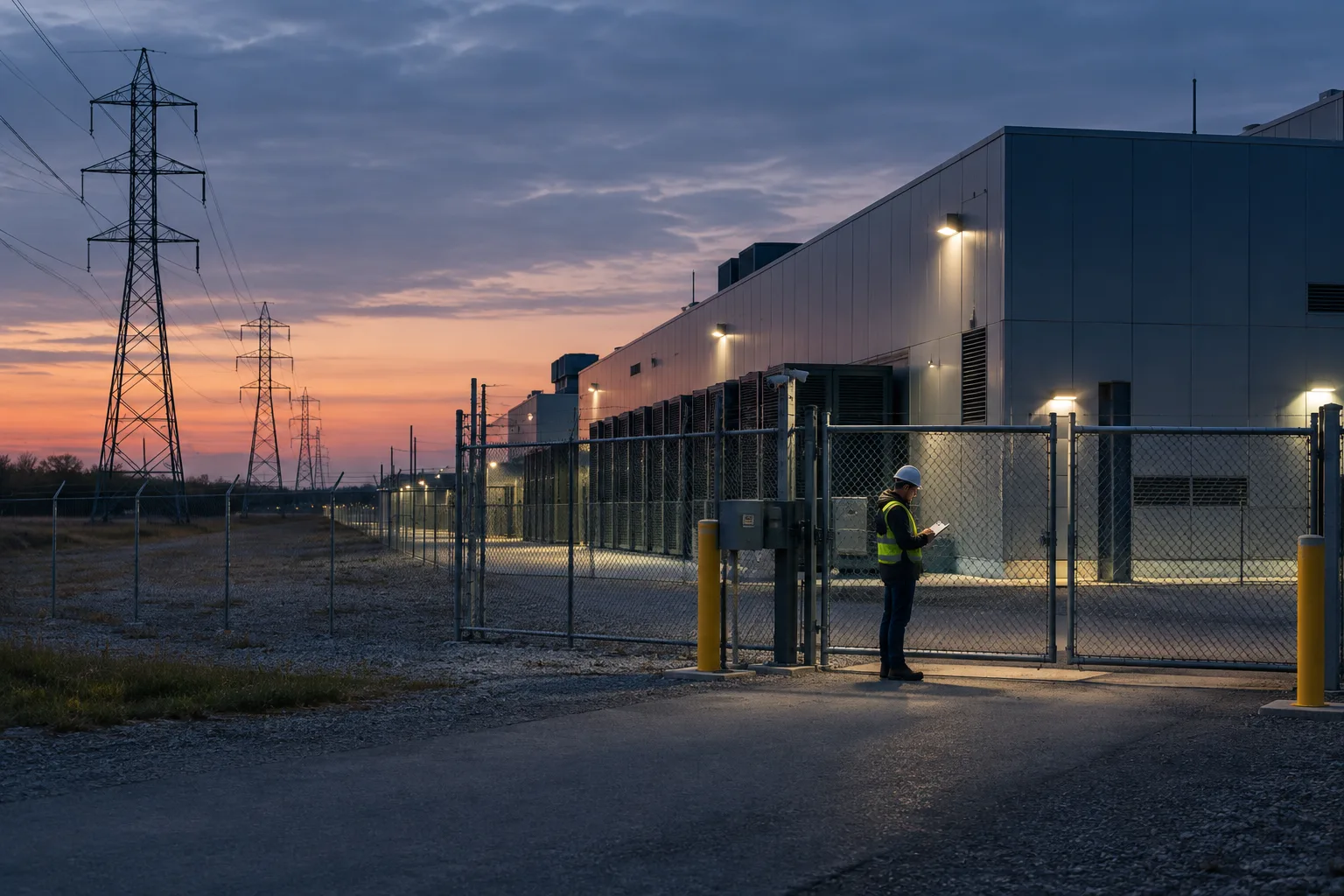
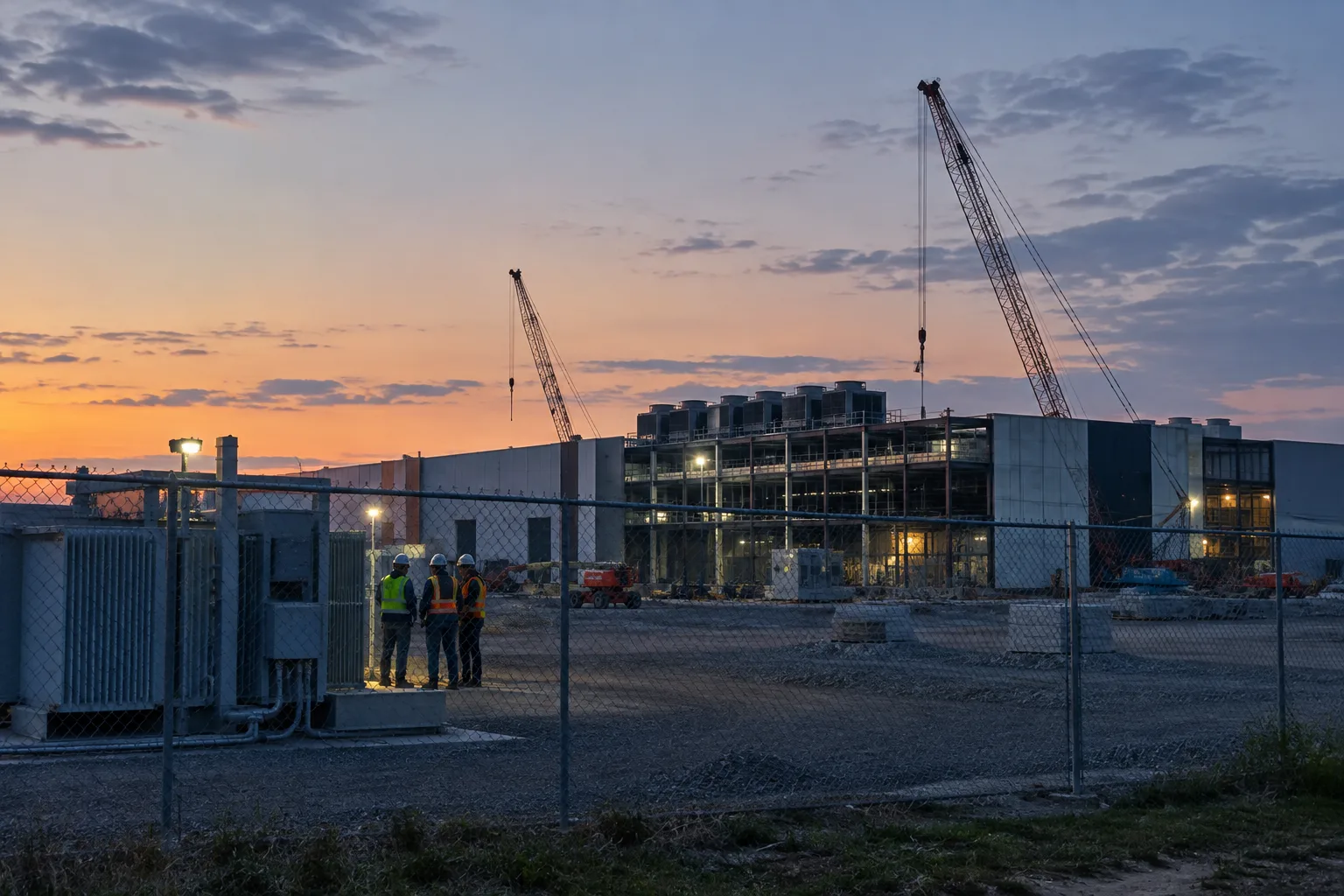
The economic and regulatory landscape is evolving in tandem with these technological advances. Greenfield airports in Dholavira and Port Blair, for example, are not just transport nodes but catalysts for a cascade of ancillary investments—from hospitality to renewable energy microgrids.
Emerging Patterns:
- Capex Multipliers: Each rupee of public spend on airports is triggering ₹8–10 in private investment, a multiplier effect that underscores the strategic value of infrastructure in unlocking new markets.
- Supply-Chain Formalisation: Initiatives like ONDC are enabling craft clusters to bypass traditional intermediaries, boosting margins and formalising the sector.
- Regulatory Acceleration: Digitisation of restricted-area permits and dynamic pricing pilots at heritage sites are reducing friction and unlocking new conservation funding streams.
For corporate stakeholders, the implications are clear:
- Hospitality and Real Estate: Pivot toward low-density, eco-centric assets with embedded renewables for dual returns—experiential scarcity and carbon credits.
- Telecom and Infrastructure: Treat emerging tourism corridors as anchor tenants for rural broadband, leveraging affluent traveller cohorts for higher ARPUs.
- Technology Vendors: Develop modular, platform-based solutions for booking, AR storytelling, and conservation analytics.
- Financial Institutions: Structure green bonds and revenue-linked instruments tied to the cashflows of these newly vibrant regions.
—
The Next Cycle: Where Culture, Capital, and Code Converge
India’s “hidden” destinations are fast becoming crucibles where digital infrastructure, environmental finance, and cultural commerce intersect. Early data points to a compound annual growth rate of 18–20% in visitor numbers to off-beat locales, outpacing legacy circuits by a wide margin. The prospect of a remote-work visa could transform ridge-top towns into seasonal knowledge enclaves, while NFTs and AR collectibles promise new revenue streams for artisans and site custodians.
For those who can read the travel map as an investment heat-map, the rewards are tangible and intangible—land, brand, and narrative equity that will prove difficult to replicate once the mainstream arrives. The convergence of technology, policy, and place is forging a new geography of opportunity, one where the value of remoteness is finally being realised, and where the next chapter of India’s travel economy will be written not in guidebooks, but in code and capital.

 By
By


 By
By
 By
By

 By
By