
Spotify’s Messaging Gambit: Rewiring the Social Fabric of Streaming
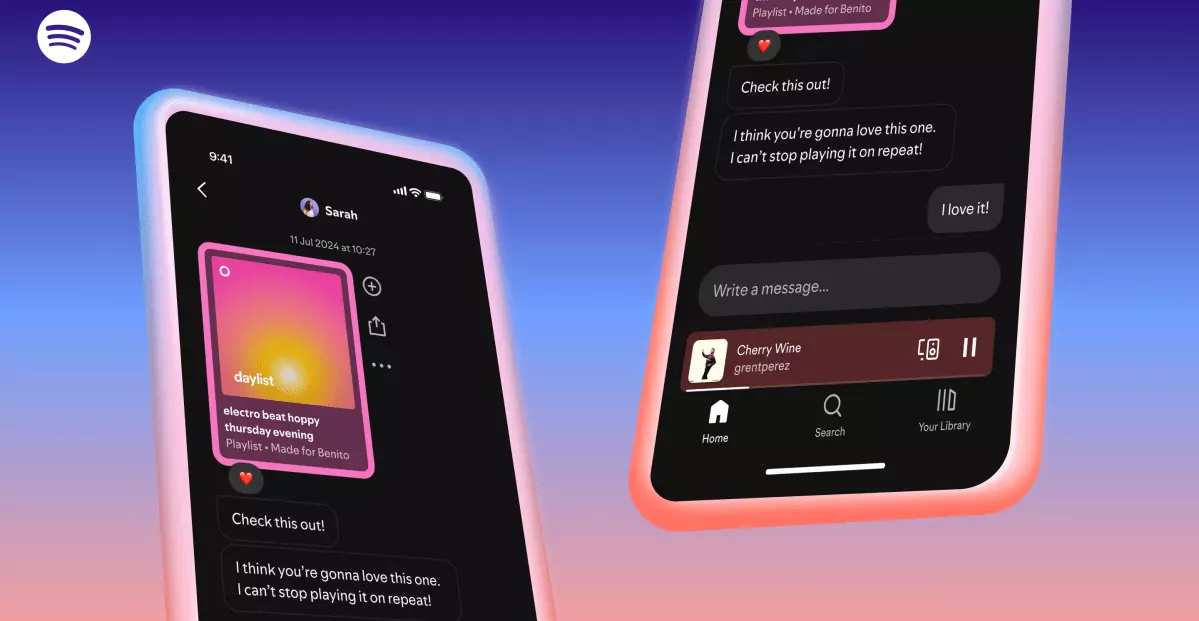
Spotify’s latest move—a direct-messaging feature embedded within its app—signals a tectonic shift in the architecture of digital audio. What might seem, at first glance, a simple convenience for sharing tracks or podcasts is, in fact, a bold recalibration of the platform’s ambitions. With this update, Spotify is not just facilitating music discovery; it is reimagining itself as a social nexus, a place where culture is not only consumed but also co-created and exchanged in real time.
From Single-Player Listening to Multiplayer Connection
Historically, Spotify has been a solitary experience—a world-class jukebox, algorithmically attuned to personal taste, but largely silent on the social front. That era is ending. By introducing one-to-one encrypted messaging, Spotify is threading a social layer through the heart of its offering, echoing the evolutionary paths charted by Discord, Twitch, and TikTok. The new Messages inbox, accessible via the familiar Share icon, transforms passive listening into an interactive, multiplayer environment.
- Social Graph Ownership: By internalizing sharing that once occurred over SMS, Instagram, or WhatsApp, Spotify is building its own social graph. This is not a trivial pursuit. Owning the network of who shares what with whom gives Spotify a trove of first-party behavioral data—an invaluable asset as privacy regulations (iOS ATT, Google’s Privacy Sandbox) increasingly wall off third-party data streams.
- Personalization Flywheel: Each DM, emoji reaction, and shared playlist becomes a data point, feeding the company’s recommendation engines. The result? Sharper discovery algorithms, more nuanced audience segmentation for advertisers, and a foundation for social-based playlist curation that feels genuinely organic.
The integration is not merely cosmetic. By weaving messaging into features like Jams, Blends, and Collaborative Playlists, Spotify is cultivating a sense of presence—a feeling that listening is no longer a solitary act, but a shared ritual.
The Economics of Engagement and the Path to Monetization
The business logic behind this pivot is as sophisticated as the technology itself. Internal tests reveal that social interactions—whether collaborative playlists or shared tracks—extend session length. For Spotify, this is pure gold:
- Increased Dwell Time: Longer sessions mean more ad impressions for Free users and reduced churn for Premium subscribers.
- Conversational Commerce: Messaging is a potential commerce rail, enabling real-time monetization moments—think concert tickets, exclusive merch, or live-audio events triggered by a friend’s recommendation.
- Sponsored Interactions: The conversational context unlocks new ad formats, from sponsored replies to branded playlist recommendations, all underpinned by rich, first-party data.
This data advantage is not just theoretical. As third-party cookies fade into obsolescence, Spotify’s ability to target ads based on in-app social behavior becomes a formidable moat. Moreover, increased in-app engagement could shift the balance of power in negotiations with record labels, potentially leading to innovative licensing models—such as discounted rates for tracks that achieve viral lift through social sharing.
Competitive Dynamics and the Road Ahead
Spotify’s foray into messaging is not occurring in a vacuum. The company is, in effect, reversing the “super-app” playbook of giants like Meta, Apple, and Amazon, who have historically added media to messaging. Here, messaging is being woven into the very fabric of media consumption, positioning Spotify as a culture-centric super-app rather than a mere streaming utility.
- Defensive Moat: Neither Apple Music nor YouTube Music currently offers a fully integrated DM experience. Spotify’s early-mover status could prove decisive, especially among Gen Z users for whom social sharing is second nature.
- Creator Ecosystem Tension: While the current rollout is user-centric, the prospect of artist-to-fan messaging looms. Should Spotify open this channel, it could disrupt platforms like Bandsintown or Instagram, redirecting promotional budgets and redefining the artist-fan relationship.
Looking forward, the implications ripple outward. The messaging feature lays the groundwork for AI-powered enhancements—smart replies, generative summaries, and context-aware recommendations—further embedding large language model capabilities into daily workflows. Group chats and micro-communities are the logical next step, potentially challenging the likes of Discord and Clubhouse. And as Spotify’s social graph matures, its value to brands, advertisers, and potential partners will only intensify.
For decision-makers across media, consumer brands, and privacy compliance, the message is clear: the future of audio is not just what you listen to, but who you share it with—and how those connections can be harnessed, protected, and, ultimately, monetized. In this new landscape, the line between platform and community grows ever fainter, and the soundtrack of our lives becomes a conversation in itself.

 By
By
 By
By
 By
By
 By
By

 By
By
 By
By
 By
By