

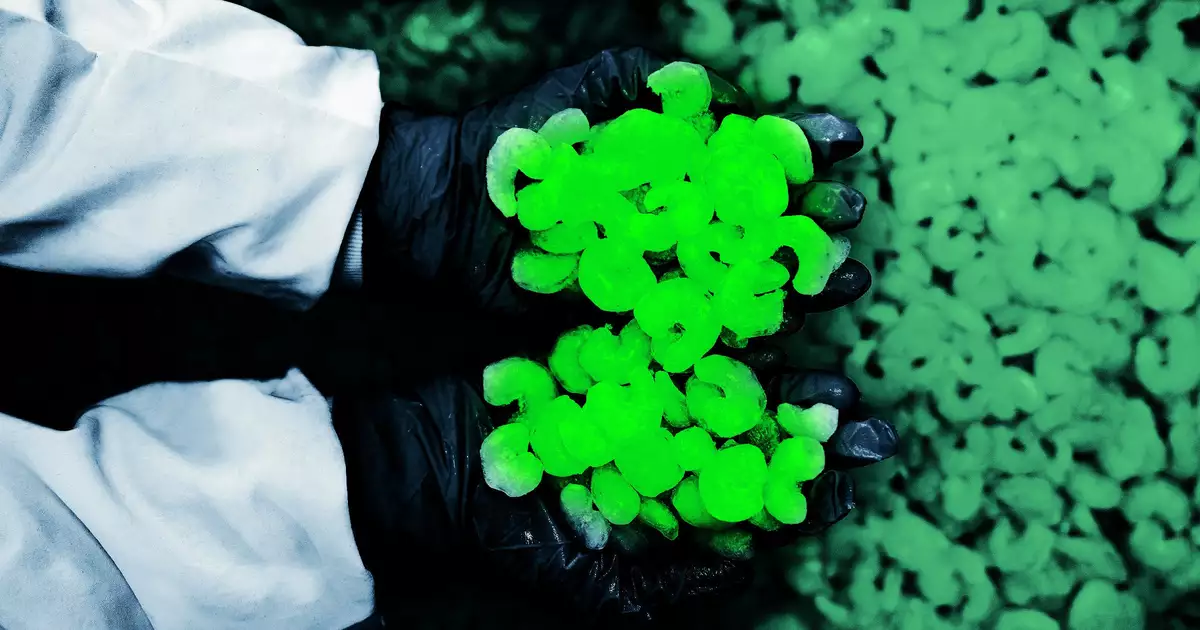

Radiological Contamination in Shrimp Supply Chains: A New Era of Food Safety Complexity
The recent expansion of a shrimp recall by the U.S. Food and Drug Administration—triggered by the detection of Cesium-137 in multiple branded products sourced from Indonesia—has sent tremors through the global seafood industry. While the radiation levels found remain below acute toxicity thresholds and all affected containers were intercepted before retail, the episode is a vivid illustration of the intricate vulnerabilities woven into the fabric of modern food logistics.
At the epicenter stands Southwind Foods, a California-based importer, whose voluntary recall, swiftly echoed by Walmart’s removal of its Great Value line, underscores the speed and gravity with which such incidents can escalate. The suspected culprit: contamination not at the point of harvest, but during transit—possibly via compromised shipping containers. As regulators dissect the chain of custody, the industry is left to reckon with the blind spots in its operational armor.
The Unseen Gaps in Cold-Chain Monitoring and Technology
The contemporary seafood cold chain is a marvel of temperature and humidity control, but this incident has exposed a critical omission: radiological monitoring. The status quo relies on:
- Temperature and humidity logging—essential for freshness, but silent on radiation.
- Infrequent container integrity checks—often missing nuanced threats like radioactive residue.
Emerging technologies offer a path forward. IoT sensor suites, once limited to basic environmental metrics, are now capable of multi-modal detection, including radiation. Blockchain-based traceability, already piloted in sectors like coffee and cocoa, could be adapted for seafood, capturing not just provenance and thermal history, but also container integrity and contamination scans at every logistical juncture.
Automated remediation technology is another frontier. The hypothesis that radioactive residue on reused shipping containers seeded the contamination points to a niche for robotic, in-port decontamination units. Companies specializing in ultraviolet sanitation for pathogens could repurpose their platforms for radiological cleaning, opening up a new adjacency in the market.
The economics of advanced screening are shifting rapidly. Where mass-scale radiological scanning was once cost-prohibitive, the price of cloud-connected gamma-ray spectroscopy devices has plummeted—now retailing at roughly a third of their 2018 cost. As insurers recalibrate their risk models, the calculus for packers and importers will tilt decisively toward continuous monitoring, with capital expenditures justified by both regulatory pressure and reputational risk.
Strategic Shifts: Supply Chain, Regulation, and Brand Integrity
The macroeconomic reverberations of this recall extend well beyond the immediate players. The U.S. imports about 80% of its shrimp, with Indonesia, India, Ecuador, and Vietnam as principal suppliers. Even isolated recalls can jolt commodity futures and procurement budgets. In response, importers are likely to:
- Diversify sourcing—shifting toward Latin American hatcheries, accepting a 6–12% price premium for proximity and oversight.
- Accelerate domestic investment—in recirculating-aquaculture-system (RAS) shrimp farms, which promise “clean, traceable protein.” Venture funding in RAS is already surging, and this incident may catalyze further rounds.
Regulatory landscapes are poised for transformation. Historical precedent—from Japan’s post-Fukushima seafood protocols—suggests that radiological food events precipitate step-function changes in oversight. The FDA’s Foreign Supplier Verification Program (FSVP) may soon require radiological screening, imposing new compliance burdens by 2025. Global harmonization, possibly through Codex Alimentarius, could follow, with exporters in Southeast Asia facing the brunt of early adoption. Early investment in digital, multi-parameter HACCP logging will be a differentiator as these standards evolve.
For brands, the stakes are existential. A decade of investment in ESG—antibiotic-free, sustainably caught, ethically sourced—now faces a new litmus test: radio-safety. Companies without transparent mitigation strategies risk a slow bleed of consumer trust, as seen in past food-safety crises. Retailers and hospitality giants are already revisiting supplier codes of conduct, while insurers model reputational-damage riders and adjust premiums for those lacking end-to-end sensor data.
Turning a Crisis into a Competitive Advantage
For decision-makers, the recall is a clarion call to action. The most forward-thinking strategies will include:
- Investment in sensor fusion platforms—integrating temperature, location, and radiation metrics for full-spectrum traceability.
- Consortia with IoT vendors and port authorities—to pilot “smart containers” that self-report contamination, reducing inspection bottlenecks.
- Dual-sourcing and dynamic procurement—balancing geographic risk profiles and negotiating price-adjustment clauses for new compliance costs.
- Proactive regulatory engagement—helping shape feasible radiological thresholds and certification pathways.
- Expanded ESG reporting—incorporating radiological safety metrics to preempt skepticism and reinforce investor confidence.
The shrimp recall, while contained in scope, is a diagnostic of latent vulnerabilities in global cold chains—a signal that the era of single-parameter food safety is over. Those who interpret this episode as a fleeting anomaly will be left exposed. The future belongs to those who transform regulatory headwinds into strategic moats, leveraging comprehensive technology, diversified sourcing, and transparent governance to redefine what “safe” and “ethical” seafood truly means.

 By
By

 By
By
 By
By


 By
By








