
The T1 Phone Roll-Out: A Case Study in Modern Brand Volatility
In the hyper-competitive world of premium smartphones, authenticity is currency and missteps are amplified with the velocity of a viral tweet. The recent unveiling of the Trump Mobile T1 Phone—once pitched as a patriotic alternative in a market dominated by global titans—has swiftly transformed from a moment of brand bravado into a cautionary tale of marketing miscalculation and fractured trust. The T1’s journey, marked by shifting narratives and conspicuous promotional gaffes, offers a lens into the perils and paradoxes that define hardware launches in the age of AI, geopolitics, and relentless consumer scrutiny.
Marketing Mishaps and the Erosion of Trust
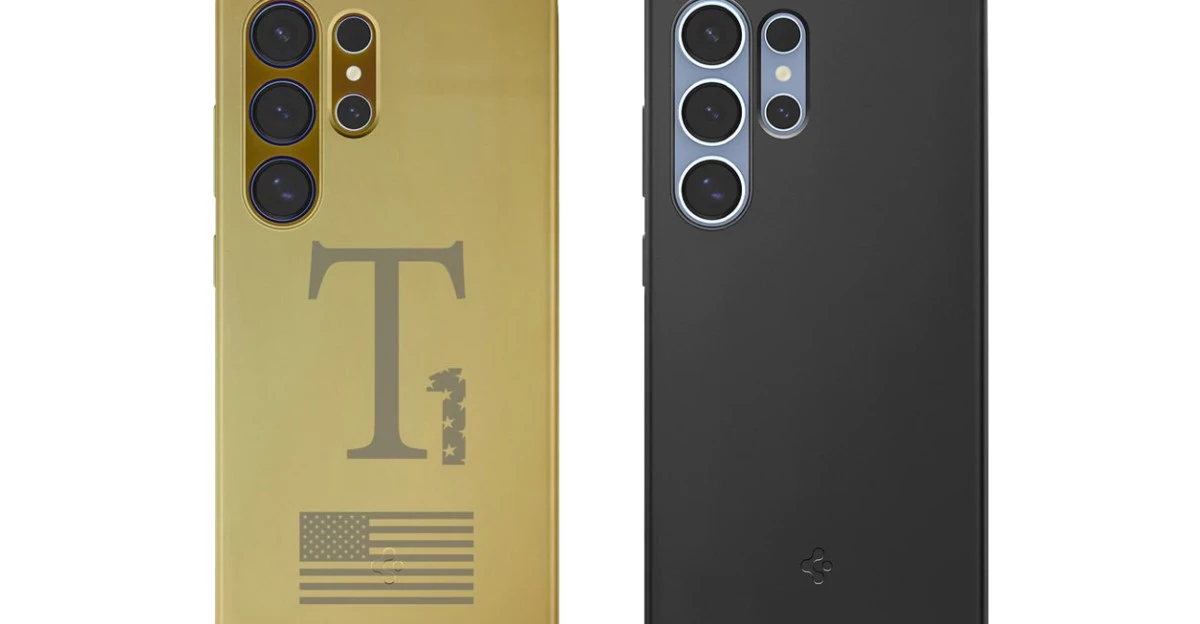
The T1 Phone’s campaign, originally draped in the language of American craftsmanship, has become a masterclass in how not to orchestrate a product reveal. The initial rollout oscillated between disparate visual motifs—a gold-plated iPhone, a bespoke oversized handset, and, most damningly, a poorly altered image of Samsung’s unreleased Galaxy S25 Ultra, complete with a visible Spigen logo. This last misstep, called out publicly by Spigen itself, did more than embarrass: it punctured the campaign’s credibility, raising uncomfortable questions about the device’s provenance and the integrity of its marketing apparatus.
This series of blunders has had a cascading effect:
- Technical Ambiguity: The device’s specifications, including screen size, have been repeatedly revised, hinting at late-stage design changes and supply-chain improvisation.
- Supply-Chain Opacity: The shift from “Made in the USA” to the more ambiguous “American hands behind every device” signals a retreat from domestic manufacturing claims, likely in response to sourcing realities.
- Launch Uncertainty: Promised release windows have dissolved into the vagueness of “coming soon,” further fueling skepticism among both consumers and industry partners.
The result is a trust deficit that extends beyond the core customer base, threatening the viability of the T1 as a credible entrant in a market where reputation is everything.
Behind the Curtain: ODM Sourcing, Economic Realities, and Brand Constraints
Beneath the surface, the T1 Phone’s development appears to follow a familiar playbook: leveraging original design manufacturers (ODMs) in Asia to minimize capital expenditure, then layering on brand-specific tweaks—firmware splash screens, cosmetic flourishes—to create the illusion of differentiation. This approach, while cost-efficient, carries risks that are especially acute in the premium segment:
- Perception vs. Reality: ODM sourcing is an open secret in the industry, but premium buyers expect authenticity. The marketing missteps threaten to erase any cost advantage by driving up customer-acquisition costs and potential returns.
- Margin Compression: The high-end smartphone market is a battleground where Apple and Samsung claim the lion’s share of profits. For a politically niche brand, hardware margins are razor-thin unless bolstered by high-value services—a strategy yet to be articulated for the T1.
- Tariff and Regulatory Exposure: The device’s likely Asian supply chain sits uneasily with the campaign’s nationalist rhetoric and exposes Trump Mobile to tariff risks, particularly as U.S.–China trade tensions persist.
Moreover, the public distancing by Spigen foreshadows a broader reluctance among accessory makers, carriers, and fintech partners to associate with a product whose narrative is already tinged with controversy.
AI, Asset Provenance, and the New Rules of Brand Safety
The T1 Phone saga is not merely a story of botched marketing; it is emblematic of a wider industry tension. The rise of generative AI has turbocharged creative workflows, enabling rapid asset production but often outpacing the guardrails of brand safety and intellectual property governance. The use of a lifted Samsung render, in this context, is a symptom of a deeper challenge: the need for automated, verifiable asset provenance systems—such as Adobe’s C2PA—to police the flood of AI-generated content.
This technological acceleration collides with heightened regulatory scrutiny. As lawmakers grapple with the implications of deepfakes and deceptive digital practices, even a sloppy Photoshop job in a flagship product launch can invite regulatory attention and compound systemic risk. The gap between onshoring rhetoric and offshore realities, too, is widening, as executives publicly pledge domestic manufacturing only to quietly revert to Asian sourcing when confronted with cost and scale constraints.
Navigating the Road Ahead: Lessons for the Industry
The T1 Phone’s troubled debut offers a set of hard-earned lessons for decision-makers across the hardware ecosystem:
- Demand engineering validation: Channel partners and investors must insist on verifiable prototypes before committing resources.
- Prioritize brand governance: Enterprises accelerating creative output with AI must invest in robust asset-verification protocols to avert IP and reputational crises.
- Diversify value propositions: Challenger brands, especially those with political affiliations, should look beyond hardware and develop compelling software or service offerings to escape the trap of commoditization.
- Monitor regulatory shifts: The evolving landscape around “Made in USA” claims and tariff policy demands agile risk management and legal vigilance.
As the T1 Phone story unfolds, it serves as a stark reminder: in the premium smartphone arena, authenticity, transparency, and disciplined brand stewardship are not optional—they are existential. For those watching from the sidelines, the T1’s journey is less a disruption than a living case study in the unforgiving calculus of trust in a hyper-connected marketplace.

 By
By
 By
By

 By
By
 By
By

 By
By



 By
By

 By
By