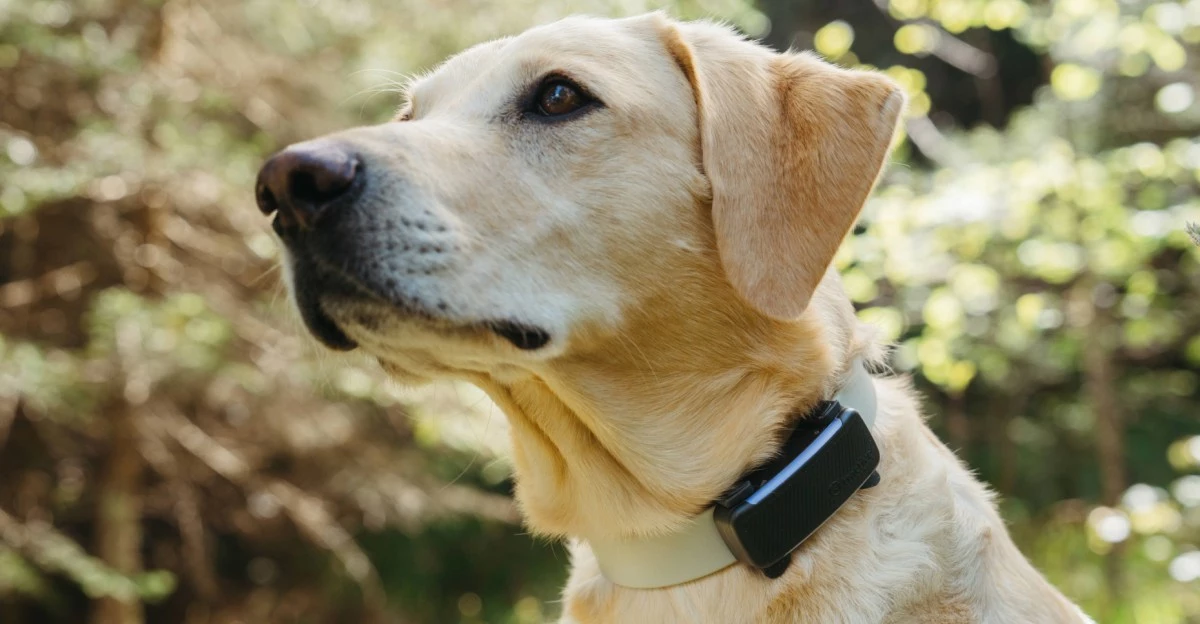

A New Era Dawns in Pet IoT: Tractive’s Calculated Absorption of Whistle
The pet technology landscape has long been a patchwork of hopeful upstarts and legacy giants, each vying for a slice of the “quantified pet” future. The recent acquisition of Whistle—a storied U.S. brand under Mars Petcare—by Austria’s Tractive signals a decisive shift. This is not merely a transaction; it is a strategic consolidation that echoes the maturation of the Internet of Things (IoT) from hardware novelty to data-driven platform economics.
The Strategic Chessboard: Why Whistle’s Exit Matters
At its core, Tractive’s move is about more than expanding market share. It’s a calculated play to absorb Whistle’s installed base, accelerate recurring revenue, and harvest a rich seam of behavioral data. The terms are clear: Whistle’s hardware and cloud services will sunset by August 2025, with users nudged—some gently, others less so—onto Tractive’s own devices and subscription plans. The migration is softened by service credits and a robust two-year warranty, but the underlying message is unmistakable: the era of fragmented, hardware-led pet tracking is ending.
This mirrors the trajectory seen in consumer wearables, where the likes of Google’s Fitbit acquisition turned user data and subscription services into the true prize. For Tractive, the value lies not only in Whistle’s customer list, but in the telemetry those users generate—fuel for a platform that can now offer:
- Recurring subscription revenue: From $108 per year for basic service to $300 for a premium five-year term, the model shifts away from one-off hardware sales.
- Accelerated upgrade cycles: The forced migration halves the typical device replacement horizon, smoothing revenue and reducing churn risk.
- Immediate cost efficiencies: By integrating Whistle’s connectivity stack into Tractive’s multi-IMSI roaming and AWS cloud infrastructure, per-device data costs drop, boosting margins.
Mars Petcare’s divestiture, meanwhile, is a textbook example of capital re-allocation. The conglomerate is stepping away from the hardware grind—where GNSS-plus-LTE chipsets rapidly commoditize—and doubling down on higher-margin adjacencies: prescription nutrition, diagnostics, insurance, and data partnerships. Mars retains access to anonymized pet data, preserving its edge in algorithmic product development without the drag of device P&L.
Beyond Devices: The Expanding Pet Data Ecosystem
The implications of this consolidation ripple far beyond device sales. As Tractive absorbs Whistle’s user base, it positions itself as a critical node in the evolving pet-care ecosystem—one where data, not gadgets, is the currency of growth.
Key vectors of transformation include:
- Tele-vet and insurance convergence: Continuous behavioral telemetry is the missing link for usage-based pet insurance, akin to auto telematics. Tractive’s expanded data lake could underpin dynamic underwriting models, especially as Mars’ own insurance arm, Pet Partners, seeks to differentiate.
- Sustainability and ESG optics: The mass decommissioning of Whistle devices will not go unnoticed in an era of heightened e-waste scrutiny. A robust recycling initiative could set Tractive apart, especially as EU and U.S. regulators tighten IoT lifecycle emissions standards. Simultaneously, richer activity data enables “healthier pet, lower carbon paw-print” narratives, resonating with eco-conscious consumers.
- Data privacy and regulatory foresight: Pet data may seem innocuous, but when geolocation and owner identity intertwine, the regulatory landscape shifts. California’s CPRA already extends privacy definitions to household-generated data, foreshadowing a future where secondary data monetization faces new constraints. Early compliance will be a differentiator.
Competitive Ripples and the Road Ahead
For the remaining independents—Fi, Link, Pawfit—the clock is ticking. Tractive’s bold move compresses the M&A window, pushing smaller players to scale or seek exits. Private equity, ever hungry for recurring-revenue SaaS, will be watching closely.
On the product front, the next horizon is already visible:
- Low-power satellite IoT: Coverage gaps in rural areas could be bridged by emerging satellite networks, a potential lure for premium-tier subscribers.
- Sensor fusion and health analytics: Advances in mm-wave radar and non-invasive vitals monitoring could soon make pet trackers indispensable health platforms, raising average revenue per user and deepening ecosystem lock-in.
For OEMs, mobile network operators, insurers, and veterinary chains, the message is clear: the quantified pet is no longer a niche curiosity. It is a data-rich adjacency to human digital health, ripe for cross-sector partnerships and bundled offerings. Those who move first—integrating telemetry into underwriting, retail, or smart-home platforms—stand to capture outsized value.
As device margins thin and commoditization accelerates, the true contest will be won by those who can transform granular animal-behavior data into predictive, actionable insights—unlocking new layers of value across the pet-care continuum. In this race, scale, integration, and vision are the new table stakes.

 By
By


 By
By
 By
By
 By
By

 By
By
 By
By

 By
By

 By
By