

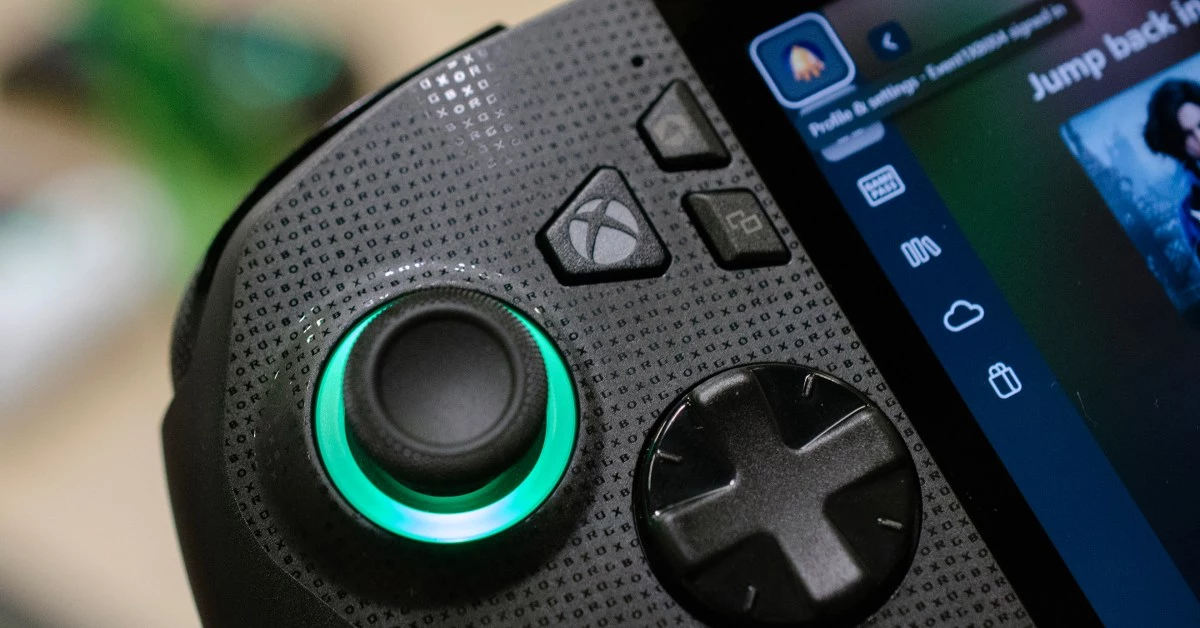

Reimagining Handheld Gaming: Microsoft and Asus Chart a New Course
The landscape of gaming hardware is once again in flux, as Microsoft and Asus unveil their latest collaborative venture: the ROG Xbox Ally and its premium sibling, the Ally X. These handheld PCs, now available for global pre-order, promise more than just another device—they signal a recalibration of how the industry views the intersection of console, PC, and cloud gaming. At $599 and $999 respectively, these machines do not shy from their ambition, positioning themselves as both a technological showcase and a strategic lever in Microsoft’s expanding ecosystem.
A New Synthesis: Hardware, Windows, and the Subscription Core
The ROG Xbox Ally devices are not simply Windows PCs in a shrunken shell. At their heart lies a reimagined Windows experience—one that is controller-first, modular, and stripped of the cruft that has long hampered mobile PC gaming. Microsoft’s bespoke “micro-shell” overlays the OS, foregrounding gaming while suppressing non-essential background processes. This is more than UI polish; it is a foundational step toward a unified operating layer that spans the Xbox console, cloud, and now, handhelds.
- Controller-Optimized OS: The interface is designed for thumbsticks and triggers, not mouse and keyboard. It is a tacit acknowledgment that the future of gaming is cross-modal, and that frictionless transitions between devices are now table stakes.
- Silicon Differentiation: The base Ally employs AMD’s Ryzen Z2 A, sufficient for 720p gaming and cloud streaming. The Ally X, meanwhile, leverages the Z2 Extreme, blurring the line between handheld and laptop performance. AMD’s continued dominance in custom silicon, especially at advanced 4-nm nodes, is as much a supply chain chess move as it is a technical feat.
- Firmware-Level Innovation: Microsoft’s integration of Xbox-grade APIs at the firmware level hints at a future where developers can target console, PC, and handhelds with a single build. This could shrink QA cycles and bring day-one Game Pass parity across all platforms.
Economic Calculus and Competitive Positioning
The pricing of these devices is a statement: Microsoft is not chasing the “razor-and-blade” model that defined previous console generations. Instead, the company is betting that the attach rate of Game Pass Ultimate—now a $16.99/month staple—will justify higher upfront costs and lower hardware margins. For Asus, the elevated price ceiling opens new margin territory, traditionally the domain of gaming laptops rather than portable PCs.
- Channel Strategy: The Ally X’s exclusivity to Microsoft and Best Buy is a calculated move, enabling tighter supply chain control and granular sell-through analytics. The broader retail reach of the base Ally, meanwhile, seeds the ecosystem ahead of an anticipated Nintendo Switch 2 launch, setting a new benchmark for hybrid gaming devices.
- Competitive Set: While Valve’s Steam Deck and Lenovo’s Legion Go have defined the price and performance spectrum, neither offers native Xbox integration. Microsoft and Asus are not merely filling a price gap, but an “experience gap”—one that leverages cloud, local compute, and subscription services in tandem.
Strategic Ripples: From Emerging Markets to Edge AI
The global rollout, spanning over 30 countries with further expansion planned, is not just a logistical feat—it is a strategic one. Emerging markets like Brazil, India, and China, where broadband infrastructure remains uneven, stand to benefit from hybrid devices that can operate offline or via cloud as conditions permit. Tiered SKUs allow for price discrimination without fragmenting the software stack.
- Subscription-First Hardware: The hardware is a gateway to recurring revenue streams—Game Pass, cloud saves, in-game commerce. Expect Microsoft to experiment with bundling and financing models that lower the barrier to entry and smooth revenue recognition.
- Edge AI Readiness: The leaner Windows build paves the way for future integration of local NPUs, potentially enabling offline AI-driven features such as dynamic NPC behavior or real-time upscaling. This reduces reliance on cloud compute and positions Microsoft at the forefront of the edge AI wave in gaming.
- Supply Chain and Design Implications: AMD’s custom APU cadence for handhelds will increasingly compete with AI accelerator demand at advanced foundry nodes. OEMs and publishers alike must adapt, investing in adaptive UI/UX and cross-device APIs to future-proof their offerings as Microsoft’s cross-modal vision becomes reality.
Microsoft and Asus have not merely launched new hardware—they have articulated a vision for the next era of gaming, one that is subscription-first, cloud-aware, and unbound by traditional device categories. The ROG Xbox Ally series is both a product and a provocation, challenging competitors and partners to rethink the boundaries of play, platform, and performance. Those who fail to recognize the strategic significance of this shift may find themselves outpaced—not just in hardware, but in the very architecture of the gaming future.

 By
By
 By
By


 By
By

 By
By
 By
By







