
The New Alchemy of Experience: How a Florentine Pasta Class Signals a Global Shift
Beneath the surface of a seemingly simple pasta-making class in Florence lies a profound transformation in the architecture of global commerce. What once might have been dismissed as a leisurely anecdote now stands as a microcosm of seismic shifts in the experience economy—where hospitality, technology, and micro-entrepreneurship are converging to redraw the boundaries of value creation.
Platformisation, Disintermediation, and the Rise of the Micro-Entrepreneur
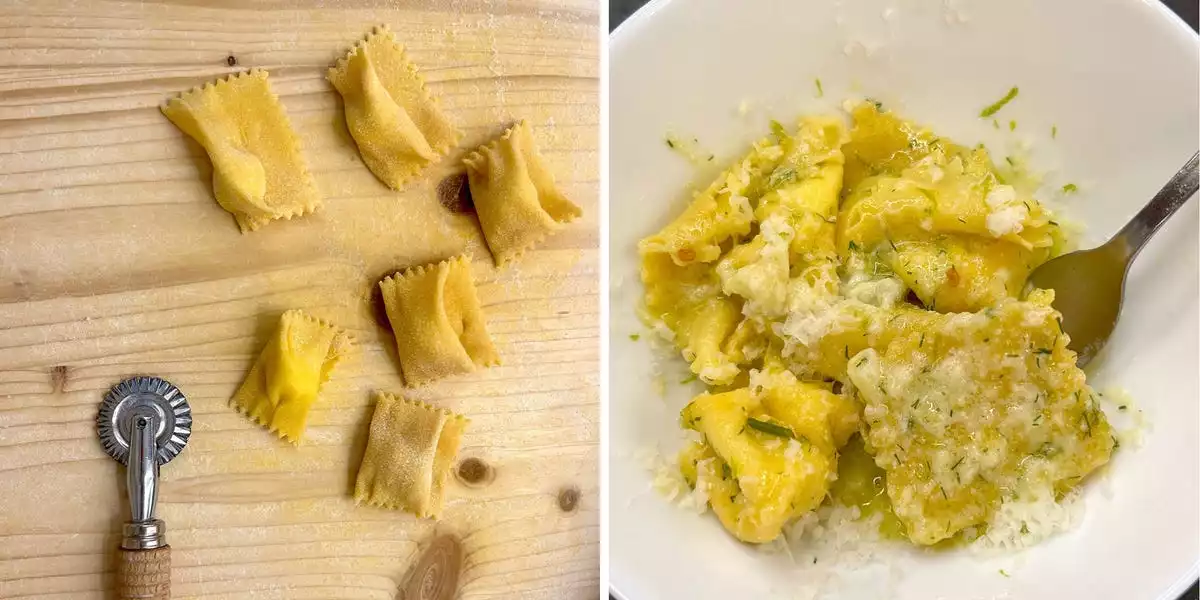
The class, discovered via Airbnb Experiences but ultimately booked directly through the operator, illustrates the increasingly sophisticated dance between global platforms and local talent. Platforms like Airbnb have become the connective tissue between fragmented, hyper-local supply and insatiable international demand. Yet, as merchants grow savvier—reclaiming margin and customer data through direct channels—a new tension emerges: the friction between marketplace visibility and the economics of direct-to-consumer engagement.
This dynamic is not merely about transaction flows. It is about the redefinition of labor itself. Michelin-trained chefs, once tethered to the rigid hierarchies of fine dining, now diversify their income through intimate, skills-based sessions. This is the culinary echo of the creator economy—where expertise is unbundled, monetized, and scaled in ways that were unthinkable a decade ago. The implications ripple far beyond the kitchen, signaling a broader decentralization of talent across industries once defined by centralized gatekeepers.
Key Trends:
- Platformisation of local experiences via global discovery engines.
- Disintermediation as operators reclaim bookings and data.
- Talent unbundling, with high-skill professionals embracing micro-entrepreneurship.
Technology as the Catalyst: Personalization, Immersion, and Commerce Fusion
The technological substrate powering this evolution is as intricate as the pasta itself. Modern booking platforms quietly amass granular data—dietary preferences, group sizes, time-of-day proclivities—fueling algorithmic recommendations, dynamic pricing, and cross-selling opportunities that extend well beyond the initial experience. The result is a commerce flywheel: a single class can spawn wine shipments, cookware sales, and subscription recipe kits, each tailored to the participant’s unique journey.
As hardware costs fall and XR (extended reality) technologies mature, the boundaries between physical and digital dissolve. Imagine a world where a Florentine chef’s expertise is beamed into kitchens from Tokyo to Toronto, participants’ hands guided by haptic utensils, language barriers erased by real-time AI translation. Streaming infrastructure and NFT-based certificates further layer new, scalable revenue streams atop the traditional in-person model.
Technological Levers:
- Data-driven personalization for upsell and retention.
- Immersive XR extensions to scale experiences globally.
- Integrated logistics enabling ingredient-as-a-service models.
Strategic Imperatives for Industry Leaders
The ripple effects are already being felt across hospitality, travel, and consumer goods. Hotels and cruise lines, once the undisputed gatekeepers of guest spend, now face margin leakage as travelers allocate discretionary budgets to off-platform micro-experiences. The strategic response? Embedding high-quality local hosts into loyalty ecosystems, or acquiring them outright. Meanwhile, marketplaces must evolve—offering integrated insurance, seamless payments, and AI-powered marketing tools—to justify their commissions in an era of mounting disintermediation.
For consumer brands, the opportunity is equally tantalizing. Authentic, skills-based storytelling provides a credible on-ramp for cookware, specialty ingredients, and even subscription models tied to heritage and technique. The playbook borrows from SaaS: optimize for lifetime value, minimize churn, and cultivate communities that reinforce intent and advocacy.
Executive Action Points:
- Audit and reclaim ancillary revenue via white-label platforms or acquisitions.
- Invest in blended physical-digital offerings to capture global audiences.
- Leverage behavioral data for hyper-personalized itineraries.
- Monitor regulatory shifts in labor and safety for micro-classes.
- Pilot ingredient-as-a-service models anchored in experiential IP.
The Horizon: Micro-Experiences as the New Premium
What emerges from this crucible is a new paradigm—one where the value chain is not just digitized but reimagined. Micro-experiences, mediated by technology and underpinned by authentic expertise, are fast becoming the benchmark for premium discretionary spend. The lessons from Florence extend far beyond the kitchen: they are a call to action for leaders across sectors to fuse storytelling, data, and hybrid design into offerings that resonate in a world hungry for meaning, connection, and transformation.
As the experience economy matures, those who master this alchemy—whether they are Michelin chefs, logistics innovators, or digital platforms—will find themselves at the vanguard of a new era in commerce. Fabled Sky Research and other forward-looking analysts are already mapping this terrain, but the real opportunity belongs to those bold enough to shape it.

 By
By
 By
By

 By
By

 By
By
 By
By