
When retirement math meets the psychology of place
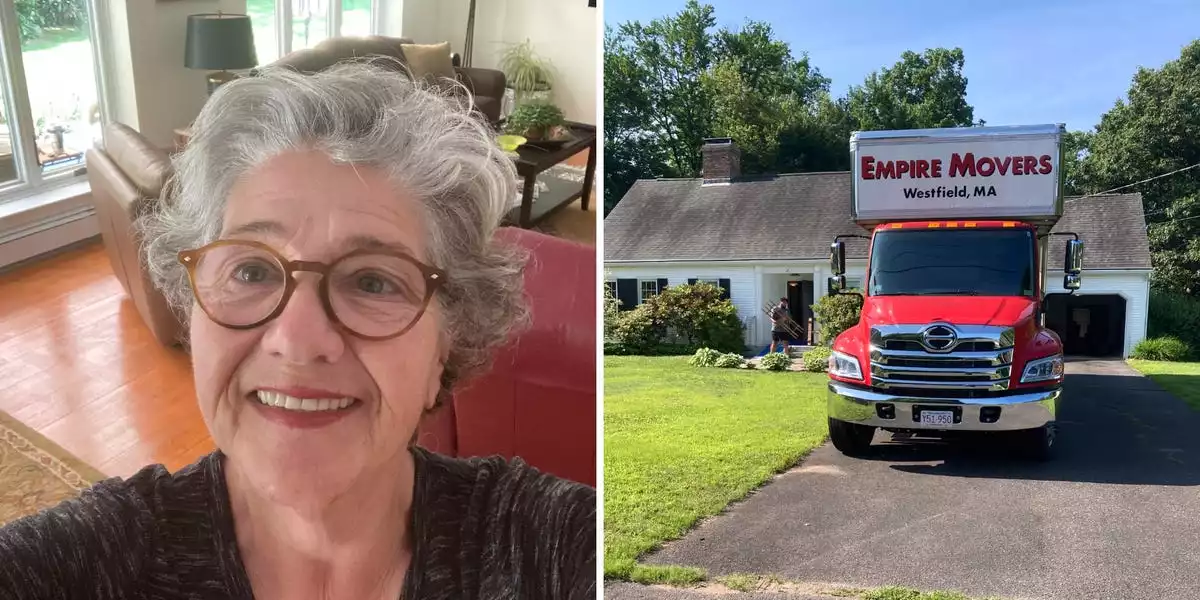
Feliz Hebert’s relocation story reads, at first glance, like a familiar retirement playbook: downshift from a high-cost coastal enclave, move closer to adult children, and let the lower cost of living do the heavy lifting. After 12 years embedded in a Cape Cod community, Hebert and her husband moved in 2021 to Somers, Connecticut, seeking proximity to family and relief from rising expenses.
What followed, however, exposes a blind spot in many retirement decisions—and in the way markets, planners, and even families frame them. In Somers, the couple encountered social isolation: limited organized activities, weaker neighbor networks, and family visits that felt more logistical than nourishing. By early 2025, they sold their Connecticut home—reportedly at a ~$300,000 gain—and returned to Cape Cod, paying a higher sticker price to regain something that doesn’t appear on a closing statement: belonging.
For business and technology leaders, the signal is clear. Retirement migration is not merely a financial optimization problem. It is a community infrastructure problem, a wellness problem, and increasingly a platform problem—where emotional and social capital function like compounding assets, and their absence creates a form of “social depreciation” that can overwhelm monetary savings.
Social capital as an asset class—why proximity to family can underdeliver
Hebert’s experience underscores a counterintuitive reality: physical proximity to family does not guarantee connection. Modern households operate under time scarcity, fragmented schedules, and competing obligations. Even well-intentioned family members can default to quick check-ins that feel transactional—especially when the surrounding environment lacks the connective tissue that turns visits into shared life.
In Cape Cod, Hebert reactivated a web of routines and relationships—beach cleanups, golf outings, and friendships—that restored her perceived quality of life. Those activities are not trivial; they are the mechanisms through which community becomes durable.
From a strategic lens, several dynamics stand out:
- Network effects are non-linear. A dense community with recurring events and shared-interest groups can deliver disproportionate well-being returns compared with a quieter town lacking organized “on-ramps” to social life.
- Community programming is a form of infrastructure. Clubs, volunteer opportunities, and civic rituals operate like public utilities for social health—especially for retirees transitioning away from workplace identity.
- The retirement consumer is not only price-sensitive; they are experience-sensitive. Many older adults increasingly allocate discretionary spending toward meaning, purpose, and connection rather than possessions.
This reframes “buyer’s remorse” as something more structural: a mismatch between a household’s social needs and a location’s ability to meet them.
The business opportunity: platforms, smart homes, and community-first real estate
Hebert’s return to Cape Cod—despite higher housing costs—also highlights where markets may be headed. If retirees are willing to pay a premium for community vibrancy, then social infrastructure becomes a differentiator that can influence real estate pricing, local economic resilience, and technology adoption.
Several opportunity areas emerge:
- Digital community platforms built for older cohorts
Location-based social apps tailored to retirees could provide geo-fenced event discovery, volunteer match-making, ride coordination, and interest-based group formation. For developers, these tools can be bundled into master-planned communities as a service layer—turning “community” into a measurable, managed product rather than a hopeful byproduct.
- Remote-first family ecosystems that make visits feel meaningful
If in-person time is scarce, technology can amplify it. Smart-home integrations and shared digital calendars can reduce friction; richer modalities—such as persistent “virtual family rooms” or scheduled VR meetups—could make connection more continuous. The most scalable models likely come from partnerships between consumer tech firms, senior-living providers, and healthcare ecosystems.
- Wellness economy expansion through purpose-driven experiences
The appeal of beach cleanups and golf is not only leisure; it is identity, contribution, and routine. Brands can design subscription offerings that combine wellness, learning, and stewardship—micro-retreats, environmental volunteer weekends, or “golf-and-learn” programs—aimed at an affluent retiree segment seeking purpose and social reinforcement.
For investors and operators, the implication is that the next wave of retirement products will compete on connection, not just amenities.
Housing market signals: why “return migration” may reshape secondary towns
The Heberts’ ability to sell in Connecticut at a substantial gain and still choose to repurchase in a pricier Cape Cod market points to broader housing dynamics. Coastal and resort regions continue to show strength, supported by amenity-seeking demographics and remote-work-enabled mobility. Meanwhile, secondary towns may underperform if they cannot articulate a differentiated value proposition beyond affordability.
Macro forces intensify this divergence:
- Demographic growth: The U.S. 65+ population is projected to rise ~20% over the next decade, expanding the retiree market and its influence on healthcare, retail, and municipal services.
- Remote work and lifestyle migration: Flexibility enables relocation, but it also increases the risk of social dislocation when community supports are thin.
- Interest rates and housing inflation: Higher borrowing costs sharpen the trade-off between price and place—raising the premium on locations that can defend value through lifestyle and community assets.
For civic leaders, developers, and employers managing distributed workforces, the lesson is operational: treat community integration as a retention and well-being variable. The towns and businesses that win retirees—and keep them—will be those that engineer the conditions for friendship, routine, and purpose, translating the intangible dividends of belonging into a durable economic moat.

 By
By
 By
By
 By
By
 By
By

 By
By