


The Rise of Analog Retreats: Where Wellness, Longevity, and Experience Converge
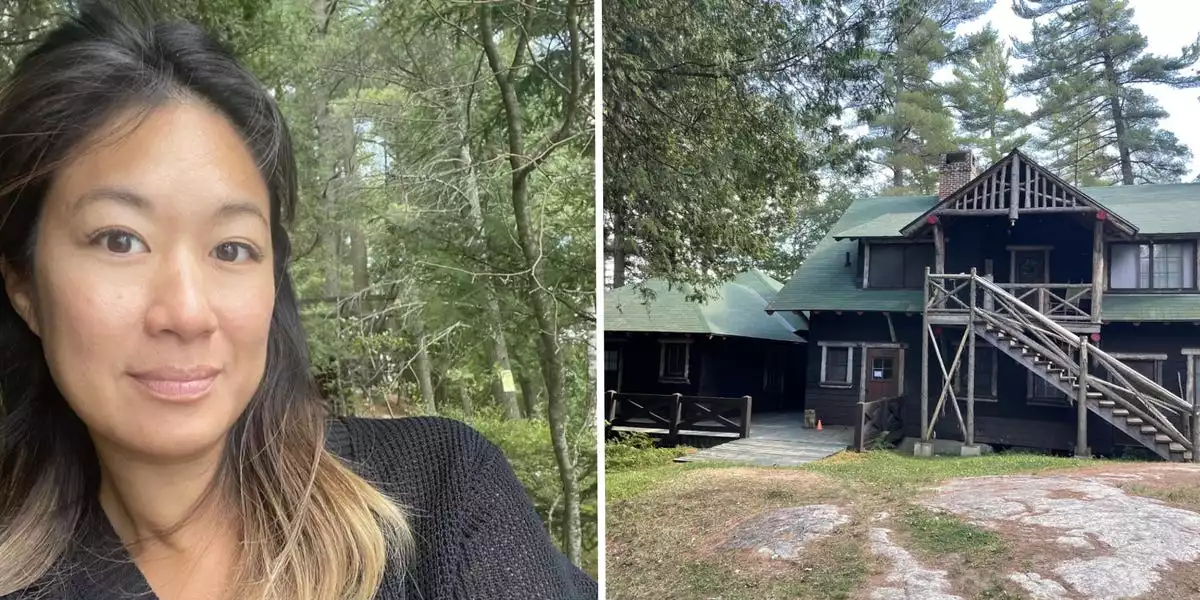
In a world increasingly defined by digital immersion, the resurgence of adult “sleep-away” camps might seem, at first glance, a nostalgic anomaly. Yet beneath the surface, this trend is a harbinger of seismic shifts in the global wellness economy, the longevity market, and the quest for genuine, technology-free human connection. The narrative of a midlife woman seeking solace and purpose at a rustic retreat is more than anecdote—it is a signal flare for an industry on the cusp of transformation.
The Macro Forces Shaping Experiential Wellness
The $5 trillion global wellness economy is not merely rebounding post-pandemic; it is being fundamentally reimagined. According to the Global Wellness Institute, wellness tourism is set to outpace overall tourism growth through 2030, with “transformational retreats” emerging as the fastest-growing subcategory. Adult camps, blending recreation, mindfulness, and peer community, are uniquely positioned at this intersection, offering an antidote to the relentless pace of modern life.
Three macro themes are converging:
- Wellness Tourism Rebound: Demand for immersive, health-oriented travel is surging, with adult camps providing structured, purpose-driven escapes.
- The Longevity Economy: Consumers over 50 now control 70% of U.S. disposable income, with women over 45 wielding disproportionate influence over household spending. Yet, most leisure brands still cater to millennials, leaving a lucrative demographic underserved.
- Post-Digital Fatigue: The craving for community-rich, technology-free experiences is palpable. Executives who champion metaverse initiatives by day are, in private, booking “digital Sabbath” getaways—highlighting the need for a barbell strategy that balances immersive digital offerings with analog sanctuaries.
Technology’s Quiet Hand: Personalization Without Compromising Authenticity
While the appeal of these retreats lies in their analog simplicity, technology is quietly reshaping the experience behind the scenes. AI-powered personalization engines can optimize everything from cabin assignments to dietary plans, ensuring each guest’s journey feels both bespoke and authentic. Lightweight VR previews offer older consumers a risk-free way to explore the camp environment before booking, bridging the gap between curiosity and commitment.
Health tech integration is also on the rise. Wearables and biometric screening enable camps to offer outcome-based pricing—tracking improvements in sleep quality or stress levels, and opening doors to employer-funded wellness programs and HSA/FSA reimbursement. The result is a new paradigm where rustic charm coexists with data-driven optimization, enhancing both guest satisfaction and operator margins.
Economic Opportunity and Competitive Dynamics
The economic implications are profound. Traditional children’s camps, often idle for most of the year, can be retrofitted for adult use with minimal capital expenditure, unlocking premium pricing power. Subscription-based retreat models—mirroring the stickiness of fitness-club memberships—create recurring revenue streams and foster brand loyalty.
Key competitive levers include:
- Cross-Sector Partnerships: Hospitality REITs, apparel brands, and health insurers are piloting co-branded retreats, seeking early-mover advantage in high-value demographics.
- Defensible Moats: As barriers to entry remain low, sustainable differentiation will come from proprietary community networks and longitudinal health data—not merely the physical campus.
- Real Estate Repurposing: Underutilized conference centers and faith-based camps are ripe for acquisition by private equity, offering wellness exposure without the risks of new construction.
For forward-thinking executives, the implications stretch beyond hospitality. Nature-based leadership cohorts are redefining corporate learning and development, yielding higher retention of soft skills. Serialized storytelling around “second-act” empowerment is fueling media flywheels, amplifying brand reach and lowering customer acquisition costs. Gender-focused programming for mid-life women, long overlooked, now aligns squarely with corporate DEI imperatives.
Strategic Imperatives for the Next Wave of Experiential Wellness
As the sector enters its scale-up phase, several imperatives emerge:
- Asset-Light Expansion: Pursue “camp-as-a-platform” models—licensing programming, leasing facilities, and owning the brand and data layer.
- Outcome-Based Pricing: Leverage biometric baselines and post-retreat deltas to justify premium pricing and employer reimbursement.
- Multi-Generational Design: Extend offerings to parent-teen and grandparent-grandchild modules, capturing lifetime customer value and reducing seasonality.
- Privacy and Ethics: With sensitive health and psychological data in play, SOC-2 compliance and transparent consent are non-negotiable.
- M&A Vigilance: Monitor regional camps, mindfulness studios, and adventure operators for roll-up opportunities—synergies lie in centralized booking and shared marketing.
The adult camp phenomenon, as illuminated by Fabled Sky Research, is not a fleeting trend but a structural shift. By fusing analog community with data-enabled personalization, businesses can unlock a high-margin, high-growth vertical that addresses the needs of aging populations, mental health, and the universal longing for authentic connection. The future of wellness is neither wholly digital nor entirely analog—it is the artful integration of both, designed for a world hungry for meaning and belonging.

 By
By
 By
By
 By
By

 By
By


 By
By







