


A Manhattan salon where Wall Street’s “soft power” is being renegotiated
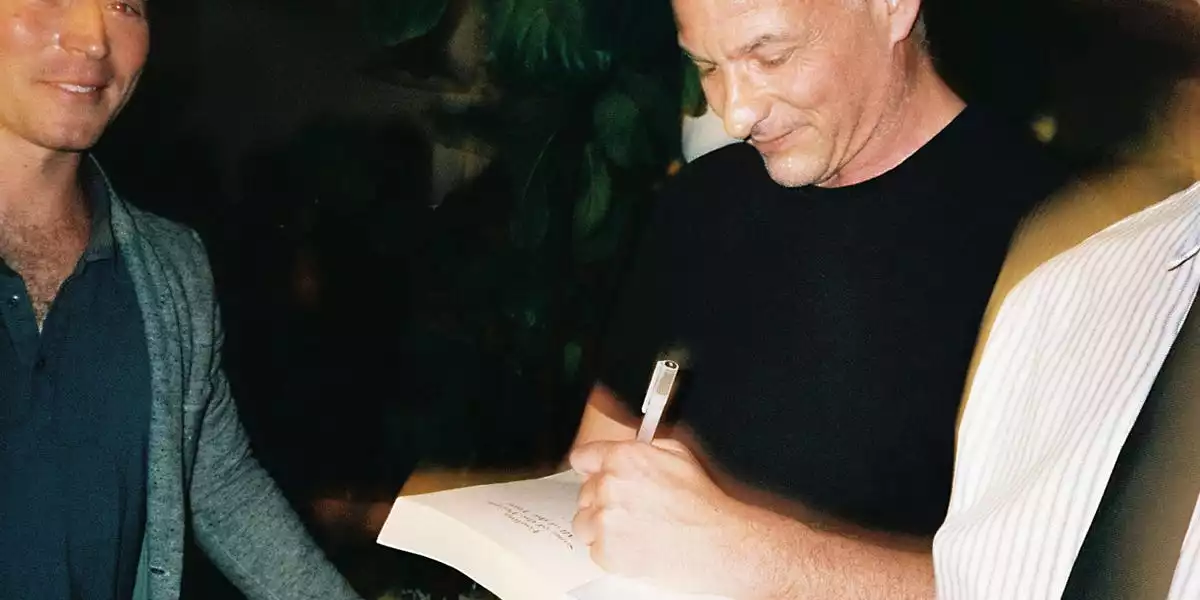
Family Office’s third annual Tax Day Party in downtown Manhattan functioned less like a conventional finance gathering and more like a contemporary salon—one where capital, culture, and personal narrative traded places as the evening’s most valuable currency. The marquee presence of David Einhorn (Greenlight Capital) anchored the room, but the real signal came from what the conversation *avoided*: tactical market calls, specific positions, and the performative certainty that once defined public-facing hedge fund discourse.
Instead, the event leaned into Wall Street’s cultural mystique—how finance professionals are perceived, how they perceive themselves, and how that identity is evolving in post-pandemic New York. With venture capitalist Hansen Shi and journalists Brock Colyar and Cami Fateh also on stage, the programming reinforced a broader trend: finance increasingly shares its public stage with media and creative operators who can translate complexity into story, and status into aesthetic.
That aesthetic mattered. A formal-with-vintage-flair dress code wasn’t just a styling note; it reflected a marketable preference for heritage cues in modern luxury, a sensibility now routinely packaged by private banks, wealth managers, and premium consumer brands. In that sense, the party was not merely social—it was brand architecture in motion, where proximity, taste, and tone do reputational work that quarterly letters alone can’t.
David Einhorn’s candid turn: from market authority to narrative leadership
Einhorn’s dominance of the evening—through candid anecdotes spanning modern dating, post-divorce life, and a dismissal of finance-themed TV dramas—illustrated a subtle but important shift in how financial leaders cultivate influence. The modern audience, even in elite rooms, often rewards perceived authenticity and wit as much as analytical rigor. That doesn’t diminish the importance of performance; it reframes it. The performance is now less about “calling the trade” and more about commanding the room’s attention economy.
Just as notably, the event’s decision to politely bar questions about current book and sell positions signaled a growing preference for thematic positioning over tactical disclosure. This aligns with the broader monetization of “thought leadership” across financial services:
- Podcasts and live forums that sell worldview rather than stock picks
- Newsletters and long-form commentary that build durable investor mindshare
- Invite-only events that convert social access into reputational leverage
For hedge funds and asset managers navigating an era of compressed fees, passive competition, and heightened scrutiny, this is not superficial. It is strategic. A leader who can shape narrative can shape allocators’ confidence, recruit talent more effectively, and maintain relevance even when markets are not cooperating.
The generational reset on Wall Street: wellness replaces nightlife, networks get thinner
One of the evening’s most telling observations was the perception that junior bankers have become “nerdier,” more health-obsessed, and less inclined toward traditional revelry. Read plainly, it’s a cultural footnote. Read structurally, it’s a talent-market signal.
Finance is competing not only with other banks and funds, but with Big Tech, AI labs, and venture-backed startups that offer different lifestyles and different forms of status. Younger cohorts often prioritize:
- Wellness and sustainability of pace over all-night social rituals
- Identity safety over performative bravado
- Purpose and learning velocity over purely hierarchical prestige
The party’s late-stage dynamic—where finance insiders reportedly thinned out while creatives filled the space—hinted at a soft decoupling. Historically, Wall Street’s informal networks have been more than social; they have been infrastructure for:
- mentorship and sponsorship
- deal flow and introductions
- cross-border partnerships and reputational signaling
If those networks weaken, firms may find that compensation alone cannot replace the connective tissue that once kept talent engaged and relationships sticky. The implication is not that finance must return to old habits, but that it must engineer new ones—social systems compatible with modern values while still enabling the serendipity that powers opportunity.
AI enters the room—first through dating, then through the business model
The evening’s references to AI-mediated dating may sound like a sidebar, but they point to an underappreciated frontier: the algorithmic personalization of human connection among high-achieving, high-net-worth communities. When finance leaders casually debate algorithms in intimate contexts, it’s a sign that social life itself is becoming a platform opportunity—one that sits adjacent to fintech, wealthtech, and concierge services.
This opens a plausible lane for startups and investors: niche social-tech ecosystems calibrated for elite networks, where value is created through verified identity, shared context, and curated overlap. Potential monetization paths are straightforward:
- subscription-based membership and matching
- premium concierge layers
- data-driven network intelligence (with significant privacy and ethics stakes)
Meanwhile, the event format itself points to where experiential marketing is heading. The most sophisticated institutions will treat gatherings as core touchpoints, extending them beyond the room through digital continuity—high-production recaps, private follow-up salons, and community programming that turns a single night into a year-round relationship channel.
What the Tax Day Party ultimately revealed is that New York’s finance-and-culture ecosystem is not dissolving—it’s rebalancing. Status is being renegotiated through story, talent is being retained through lifestyle compatibility, and technology is quietly rewriting the rituals that once defined elite social capital. The firms and personalities that thrive will be those that understand the new equation: markets still matter, but meaning, identity, and network design increasingly determine who gets heard—and who gets invited back into the room.

 By
By

 By
By

 By
By

 By
By
 By
By







