
A Texas “Terafab” and the new logic of industrial self-reliance in AI and autonomy
SpaceX’s proposed “Terafab” semiconductor fabrication complex in Grimes County, Texas, developed in collaboration with Tesla and Intel, is being framed as more than a factory. At its core, it is a bid to reorder who controls the most strategic input of the AI era: advanced chips. With an initial estimate of $55 billion and a potential expansion to $119 billion, the project’s scale places it in the same conceptual category as the flagship investments of TSMC and Samsung—a signal that the sponsors are thinking in decades, not quarters.
The strategic rationale is straightforward: vertical integration. For SpaceX, the implied goal is to secure predictable supply for AI data centers and compute-heavy aerospace workloads. For Tesla, it is about ensuring the silicon pipeline for autonomous driving, robotics, and edge inference—domains where performance-per-watt, latency, and reliability are competitive differentiators. Intel’s involvement adds a crucial dimension: process and manufacturing expertise that can compress learning curves in a field where yield optimization, defect control, and equipment orchestration often determine whether a mega-fab becomes an engine of national competitiveness or a monument to sunk capital.
This is also a story about the semiconductor industry’s evolving architecture. AI is accelerating demand for domain-specific accelerators, advanced packaging, and high-bandwidth memory integration—capabilities that increasingly reward firms that can coordinate chip design, packaging, and deployment as one system. A “Terafab” concept implicitly aims to make that coordination a proprietary advantage.
—
The engineering reality behind a mega-fab: water, power, yield, and time
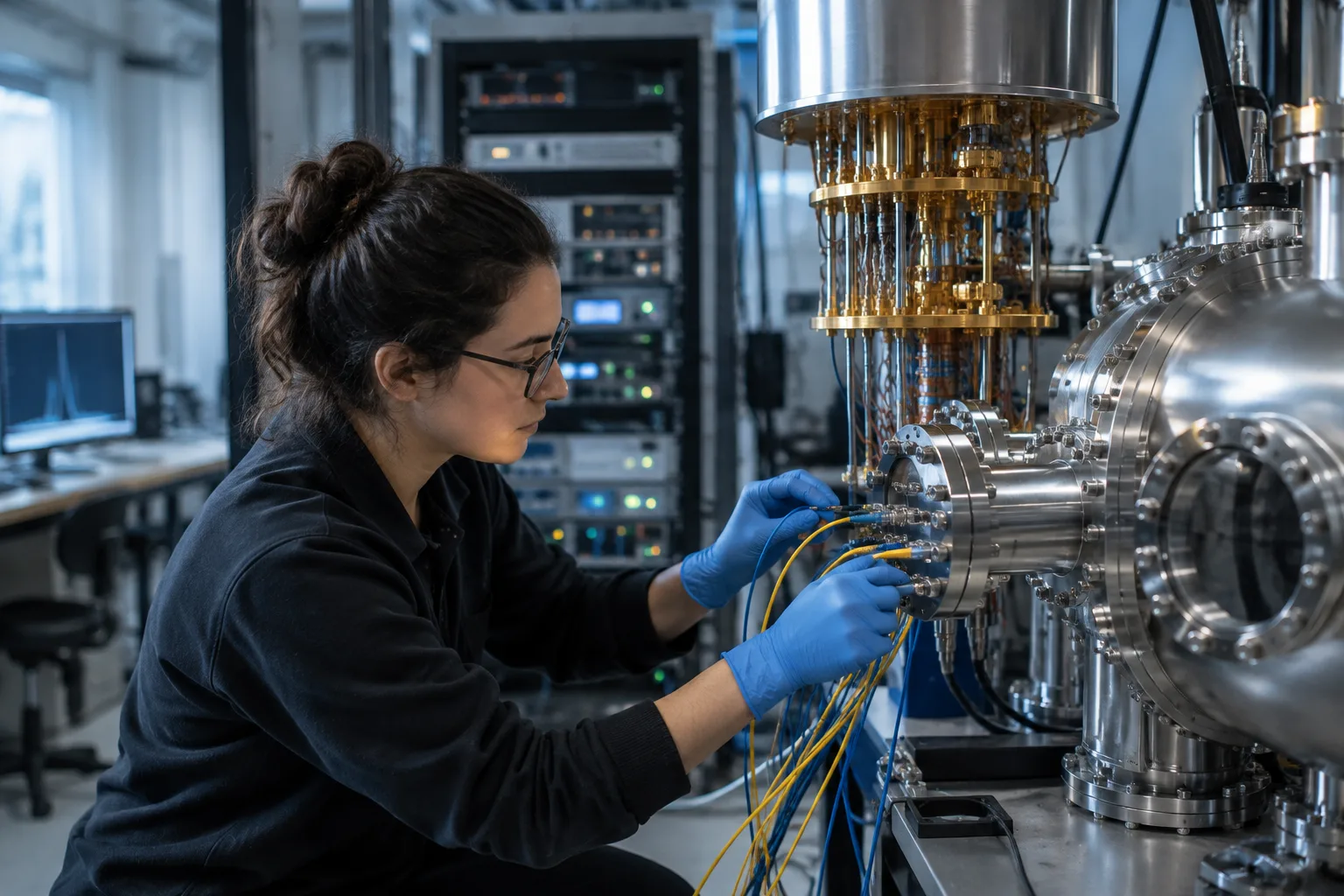
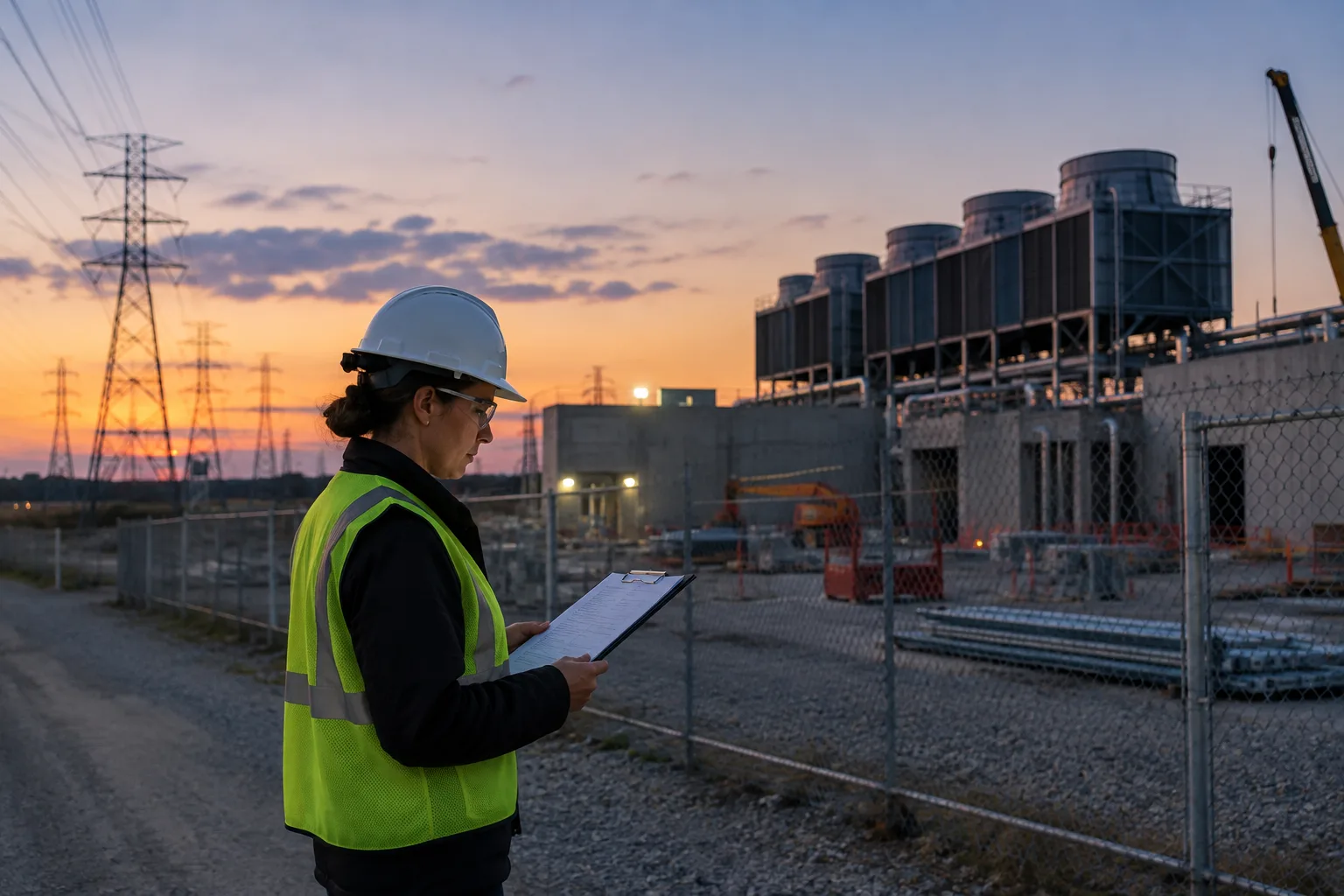
Semiconductor fabrication at leading nodes is not merely expensive—it is resource-intensive and operationally unforgiving. A facility of this magnitude would require:
- Massive and stable power supply, with tight tolerances for uptime and power quality
- High-volume water intake and recycling, often involving sophisticated closed-loop purification systems
- Advanced wastewater treatment, with careful handling of chemicals and byproducts
- Clean-room infrastructure that must be maintained at extreme standards over long periods
- A deep supplier ecosystem, from specialty gases to photolithography tooling and metrology
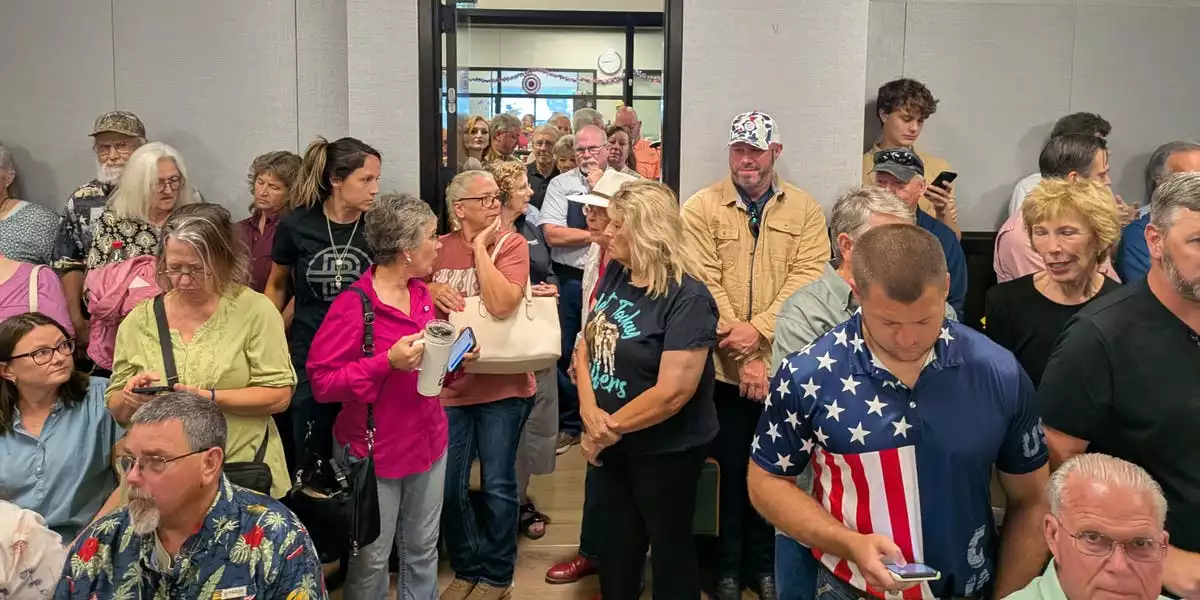
The controversy now unfolding in Grimes County reflects a recurring friction point in the AI infrastructure boom: communities are increasingly asking not whether technology investment is “good,” but what it consumes locally and what risks it leaves behind. Opponents cite opaque disclosures around water and power demand, wastewater plans, traffic impacts, and environmental exposure. Supporters emphasize 1,800 expected jobs, secondary economic development, and the strategic value of anchoring advanced manufacturing in the United States.
From an execution standpoint, the most consequential variable may be time. Even well-capitalized fabs face long ramps to meaningful output because yield maturity—the ability to produce high volumes of functional chips—can take years. If Terafab targets advanced nodes or AI-optimized silicon, the project will be judged not only by groundbreaking ceremonies and job announcements, but by whether it can reliably deliver competitive dies at competitive cost.
—
Incentives, tax abatements, and the political economy of “who pays”
Grimes County’s Commissioner Court has approved tax abatements and a reinvestment-zone designation, a familiar toolkit in the competition for mega-projects. These incentives are often defended as necessary to attract investment that might otherwise go elsewhere. Yet they also sharpen the central question of local industrial policy: what does the community give up today, and what does it gain tomorrow?
The economic promise is real. Large fabs can catalyze:
- High-wage direct employment across engineering, operations, and skilled trades
- Supplier clustering, bringing logistics, materials, and equipment services into the region
- Infrastructure upgrades, from roads to utilities, that can spill over into broader development
- Workforce pipelines via partnerships with community colleges and universities
But the fiscal and governance risks are equally real. Property-tax exemptions can constrain public budgets precisely when growth increases demand for roads, schools, emergency services, and water systems. And when project costs potentially rise from $55 billion to $119 billion, the financing environment matters: higher interest rates and inflation can pressure timelines, scope, and hiring commitments. Investors and stakeholders will watch for signals on capacity utilization, break-even horizons, and whether the fab can command premium pricing in a market where AI demand is strong but cyclical dynamics remain.
This is where transparency becomes strategic, not cosmetic. The more a project relies on public concessions—tax abatements, zoning accommodations, expedited permitting—the more it must demonstrate credible planning for resource use, mitigation, and long-term accountability.
—
National competitiveness meets local consent: the decisive battleground for AI infrastructure
Terafab sits at the intersection of U.S. industrial policy and a growing national pattern: resistance to large-scale AI and compute infrastructure that strains local utilities and reshapes land use. On one side is a geopolitical and economic argument aligned with the CHIPS Act and reshoring priorities: the United States wants more advanced semiconductor capacity onshore to reduce exposure to supply shocks and strategic vulnerabilities. On the other side is a community-level argument about social license—the idea that legal approvals are insufficient without durable local legitimacy.
For the sponsors, the playbook is becoming clearer across the industry. Projects of this scale increasingly need to operationalize community engagement through concrete mechanisms, such as:
- Public, auditable projections for water draw, recycling rates, and power sourcing
- Closed-loop water systems and measurable wastewater safeguards
- Traffic and noise mitigation plans designed with local input
- Workforce development commitments tied to regional institutions
- Phased, modular expansion, reducing the shock of sudden scale and aligning build-out with demand
For policymakers, Terafab will likely become a reference case for how incentives, permitting, and environmental review evolve in the AI era—especially as data centers, fabs, and grid upgrades converge into a single, contested footprint.
The deeper significance is that semiconductor strategy is no longer confined to boardrooms and federal policy papers. It is being negotiated in county courts, utility districts, and community meetings—places where the future of AI hardware will be decided as much by water rights and grid capacity as by lithography roadmaps and packaging breakthroughs.

 By
By
 By
By

 By
By

 By
By
 By
By
 By
By