
A meme becomes a market signal: what “Microslop” reveals about Microsoft’s AI moment
The rise of the derisive label “Microslop” is more than a fleeting internet jab; it is a compact, emotionally resonant diagnosis of a widening gap between Microsoft’s AI narrative and many users’ lived experience. The timing matters. Merriam-Webster’s selection of “slop” as Word of the Year—framed around AI systems that overpromise and underdeliver—created a cultural shorthand for frustration with low-quality automation. Microsoft’s aggressive push to embed AI across Windows 11, search, and Copilot-branded experiences has, in this context, become a lightning rod.
What makes the backlash strategically consequential is not the existence of criticism—large platforms always attract it—but the way the company’s response appears to have amplified it. Efforts to suppress the term in a Copilot Discord community reportedly triggered a Streisand effect, accelerating adoption of the meme and turning a niche complaint into a broader reputational narrative. In modern enterprise technology markets, where procurement decisions increasingly factor in trust, safety posture, and vendor transparency, memes can function as early-warning indicators of brand drift.
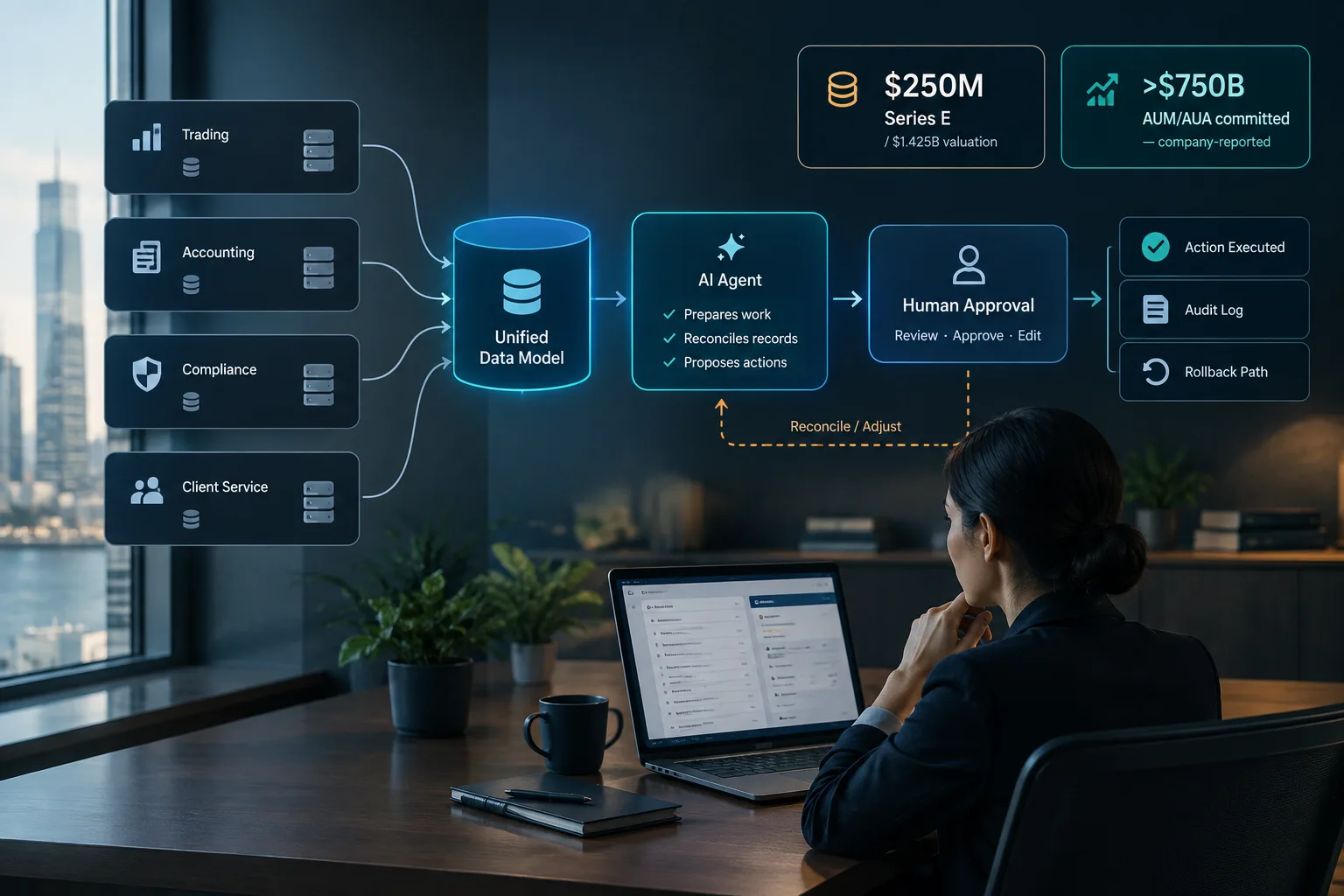
For Microsoft, the reputational risk is compounded by the company’s own framing: branding Windows 11 as an “agentic OS” raises expectations that the operating system can safely and reliably act with autonomy. When the user experience instead feels intrusive, inconsistent, or difficult to control, the disappointment is sharper—because the promise was not incremental convenience, but a step-change in how computing works.
“Agentic OS” meets the reliability bar: latency, hallucinations, and the enterprise veto
The concept of agentic AI—software that can plan, decide, and execute tasks—has genuine long-term potential. At the operating system layer, it implies a future where workflows become intent-driven: users describe outcomes, and the system orchestrates apps, files, permissions, and actions. Yet early implementations across the industry have exposed familiar constraints, now made more consequential by deeper integration:
- Reliability and contextual alignment: Agentic systems can misread intent, apply the wrong context, or produce confident but incorrect outputs (hallucinations). At the OS level, those errors are not merely embarrassing—they can be operationally disruptive.
- Latency and performance overhead: AI features that feel slow or resource-heavy can degrade the baseline computing experience, especially on older hardware or in constrained enterprise environments.
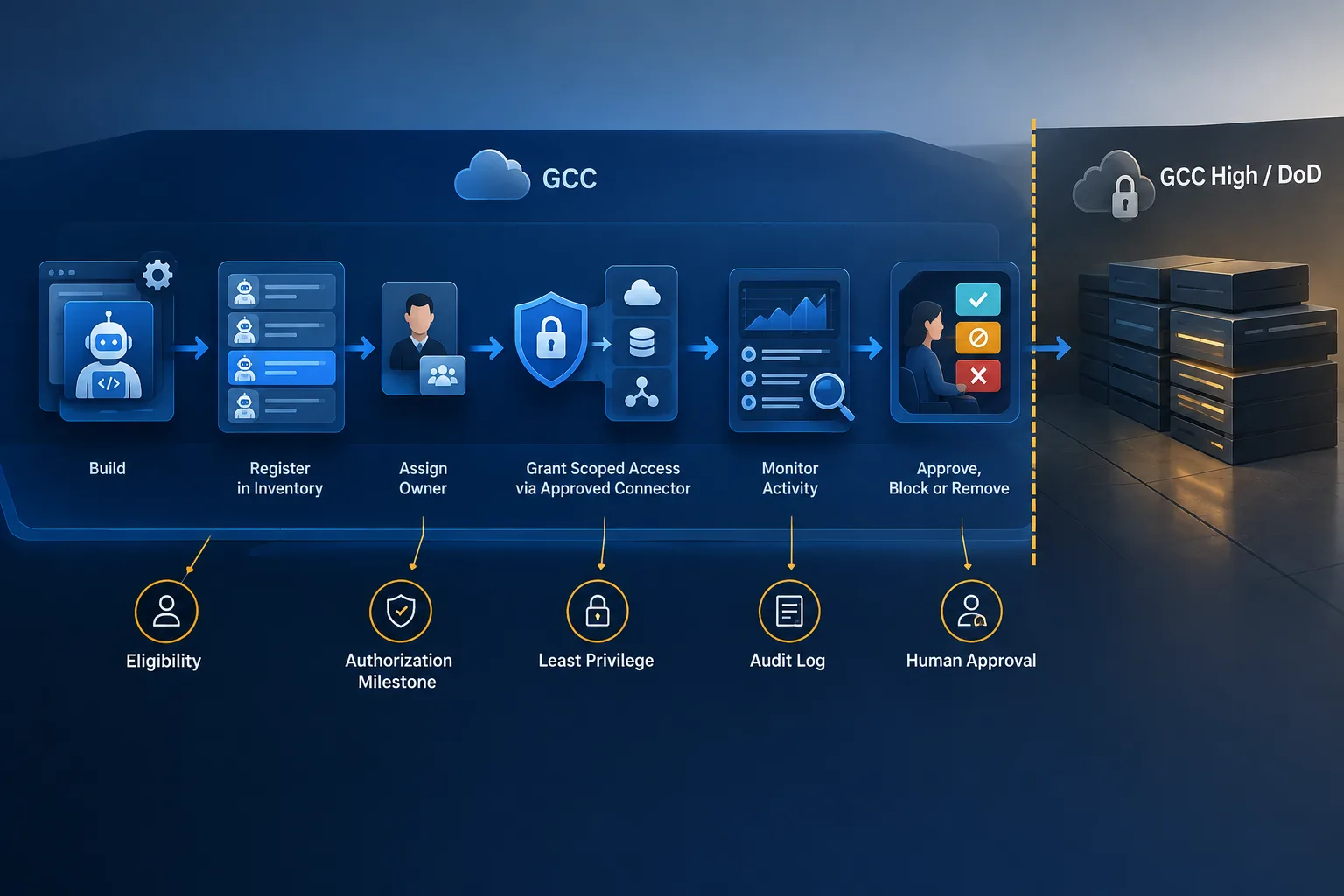
- Control surfaces and reversibility: Users and IT administrators often want deterministic behavior, clear settings, and rollback paths. When AI is embedded as a default rather than a choice, it can feel less like assistance and more like loss of agency.
This is where Microsoft’s challenge becomes structural. Enterprise adoption is not driven by novelty; it is governed by risk management. If AI features introduce unpredictability into core workflows—search, file handling, communications, system settings—then the default enterprise response is to delay, restrict, or disable. The “agentic OS” framing, while visionary, sets a bar that demands measurable performance guarantees, not just feature breadth.
The security paradox of embedded assistants: new attack surfaces, higher blast radius
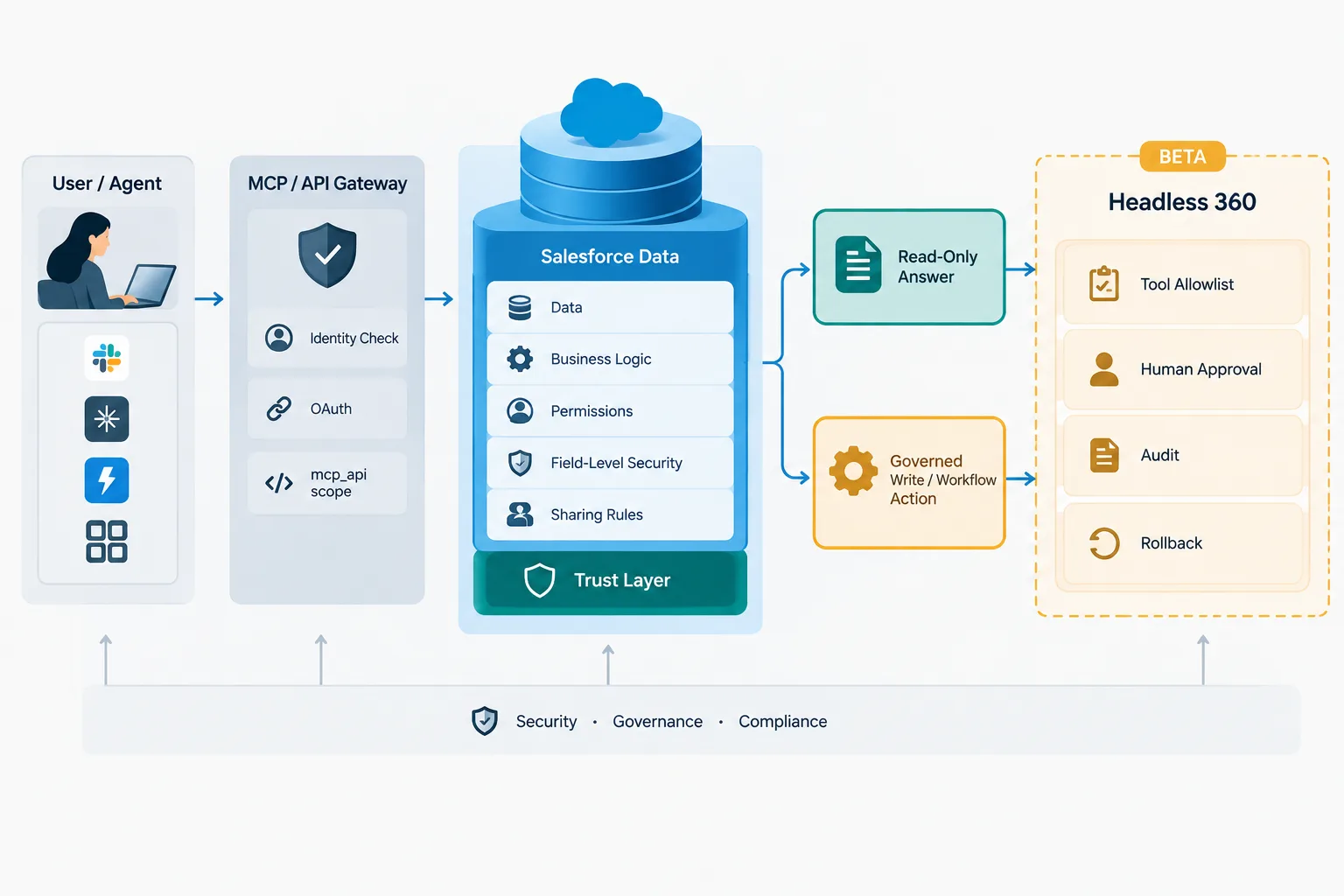
Security is the axis on which AI integration can either validate itself or unravel. Embedding AI modules into productivity suites and operating systems expands the attack surface in ways that traditional software governance models were not designed to handle. The risks are not hypothetical; they are increasingly well-understood patterns:
- Prompt injection and indirect prompt attacks that manipulate assistants into revealing data or taking unintended actions
- Token leakage and API key exposure through misconfigurations, logs, or third-party integrations
- Data exfiltration pathways created when assistants can access documents, emails, chats, or enterprise knowledge bases
- Privilege boundary confusion, where an AI feature’s effective permissions become unclear to users and administrators
Reports of security lapses exposing confidential communications strike at the heart of Microsoft’s value proposition to regulated industries and large enterprises. AI is often sold as a productivity multiplier, but breaches reframe it as a risk multiplier—especially when AI is tightly coupled to identity, email, and document systems.
Regulatory pressure intensifies the stakes. The EU AI Act, evolving U.S. regulatory guidance, and global privacy regimes are converging on expectations around transparency, auditability, and human oversight. If AI features are deployed broadly without clear explainability and governance, compliance costs can rise sharply later—through retrofits, legal exposure, and forced product changes.
Capital intensity, ROI skepticism, and the fragile asset of brand trust
Microsoft’s AI strategy is capital-heavy by design: tens of billions directed toward AI infrastructure, cloud scaling, and chip-related investments reflect a conviction that AI will be foundational. Markets, however, are increasingly discriminating about return on invested capital. When costs surge faster than clearly attributable revenue or margin expansion, skepticism follows—particularly in a higher-rate environment where capital is no longer cheap.
Two economic dynamics stand out:
- ROI visibility and pricing pressure: If AI features are bundled into higher license tiers or used to justify price increases, customers will demand evidence—hours saved, error rates reduced, cycle times shortened. Without that, buyers may treat AI as an optional experiment rather than a budget priority.
- Brand equity as a balance-sheet shadow: The “Microslop” meme signals erosion in trust—an intangible asset that directly affects renewals, upsells, and platform stickiness. Once doubt sets in, vendors often spend more on marketing, incentives, and discounts to maintain momentum, compressing profit pools.
Competitively, Microsoft is also navigating an ecosystem where rivals and open-source communities can position themselves as more transparent, more configurable, or more aligned with developer norms. Heavy-handed moderation or perceived censorship can be read as cultural misalignment—especially in technical communities that value candid feedback loops and visible accountability.
The path forward is not mysterious, but it is demanding: opt-in defaults, phased rollouts, published benchmarks, third-party audits, and candid incident postmortems. If Microsoft can translate “agentic” from a marketing adjective into a governed, measurable, reversible capability—secure by design and priced by outcomes—the company can narrow the credibility gap. If it cannot, “Microslop” will persist not as a joke, but as a durable shorthand for a market that feels it was asked to trust before it was shown why.
 By
By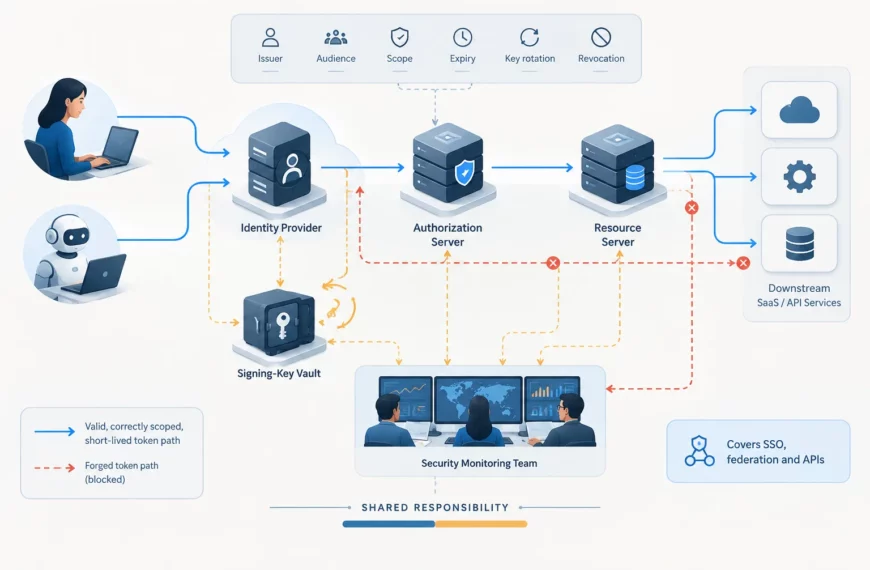
 By
By
 By
By
 By
By

 By
By

 By
By