
Silicon Valley’s Foray into Psychedelic Medicine: Lykos Therapeutics at the Crossroads of Capital, Policy, and Mental Health
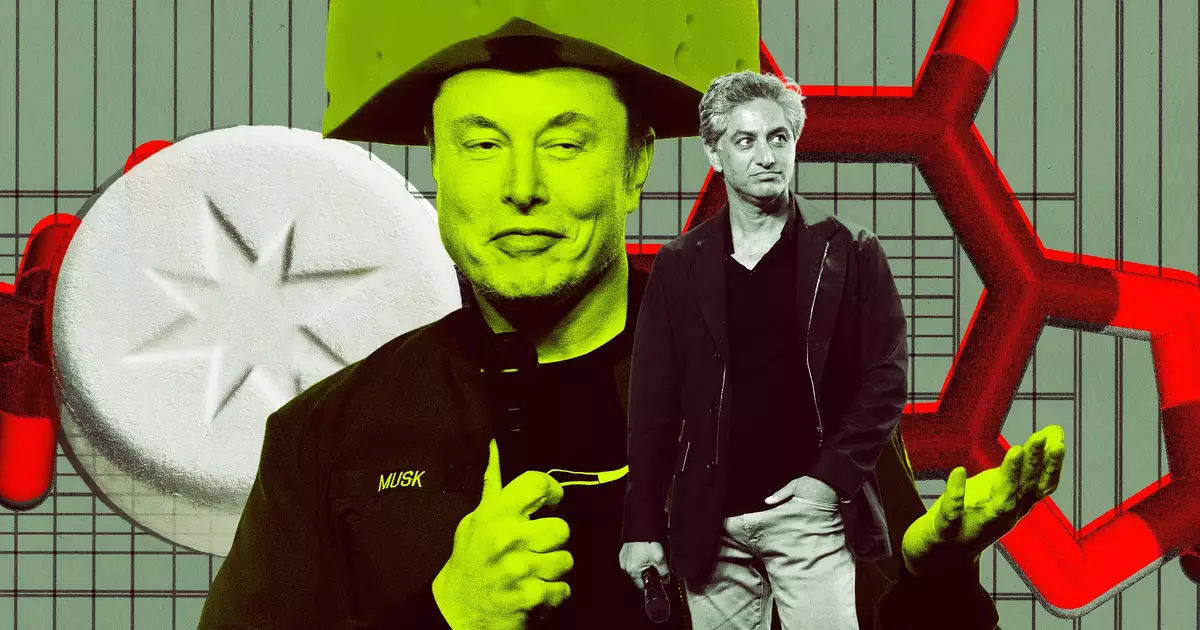
The appointment of Antonio Gracias—a name synonymous with high-stakes venture capital and a trusted lieutenant in Elon Musk’s inner circle—to the helm of Lykos Therapeutics marks a watershed moment in the convergence of Silicon Valley’s financial muscle with the fraught, slow-moving world of psychiatric drug development. Lykos, the for-profit offshoot of MAPS, is now the standard-bearer for MDMA-assisted therapy’s commercial ambitions, following a bruising FDA setback and sweeping layoffs. The company’s recent $50 million Series B, amid a risk-averse funding climate, signals not only renewed investor confidence but also a recalibration of the entire psychedelic medicine landscape.
Redefining the Modality: MDMA’s Disruptive Promise in Mental Health
MDMA-assisted therapy represents a radical departure from the pharmacological orthodoxy of chronic daily dosing. Unlike SSRIs, which rely on incremental neurochemical nudges, MDMA catalyzes a therapist-guided, episodic transformation—an experience that is both pharmacologically and psychologically distinct. Its unique mechanism, transiently amplifying serotonergic and oxytocinergic pathways, dovetails with the rise of data-driven psychotherapy protocols.
Lykos is poised to leverage this pharmacological singularity with next-generation clinical trial design. Adaptive frameworks, digital phenotyping, and AI-assisted patient selection are no longer theoretical; they are the necessary tools to address regulatory concerns around sample heterogeneity and long-term safety. The company’s capacity to integrate biometric and behavioral data at scale could set a precedent for the entire psychedelic sector, transforming not just how therapies are approved, but how they are delivered and reimbursed.
Yet, the “high-touch” nature of MDMA therapy—requiring multi-hour, supervised sessions—presents a logistical challenge. Lykos will likely pioneer hybrid service models, blending licensed treatment centers, hospital partnerships, and tele-integrated aftercare to balance scalability with safety. This approach could become the blueprint for future psychedelic interventions, where the line between drug, device, and digital therapeutic blurs.
Capital, Policy, and the Race for Regulatory Legitimacy
The $50 million Series B, anchored by heavyweight investors such as Christopher Hohn, is a rare show of conviction in a sector still haunted by regulatory uncertainty. This capital infusion, in a climate where risk tolerance is at a nadir, hints at deep-pocketed patience and a belief in the “category-expansion” effect MDMA could unleash. Should the FDA grant Breakthrough Therapy redesignation, Lykos’ valuation could rapidly converge with mid-cap biotechs, echoing the psilocybin premium observed in Compass Pathways’ public debut.
Regulatory winds are shifting. The Congressional Psychedelic Therapy Act and bipartisan veteran-health lobbies offer a pragmatic path to DEA rescheduling, potentially independent of broader drug-policy reform. Meanwhile, informal endorsements from figures like Robert F. Kennedy Jr. create optionality for accelerated review or expanded access programs. However, the optics of Gracias’ dual roles—particularly his involvement in Musk’s Department of Government Efficiency—raise the specter of political scrutiny. Lykos must proactively establish robust ethical firewalls to mitigate any perception of conflict and avoid regulatory delays.
Ecosystem Ripples: Strategic Talent, Payer Dynamics, and Pharma’s Next Move
The Lykos saga is already sending shockwaves through the broader mental health and biotech ecosystem:
- Talent Migration: The complexity of psychedelic R&D—requiring expertise in multimodal data analysis—could attract data scientists from fields as diverse as autonomous vehicles and genomics, accelerating innovation across the sector.
- Payer Engagement: With payers already underwriting ketamine-assisted therapy pilots, MDMA’s superior clinical effect size positions it for rapid inclusion in reimbursement models. This could expand reimbursable mental-health spend by 3–5 percent within five years of approval, fundamentally altering payer-provider dynamics.
- M&A and Service Consolidation: Approval would likely trigger a wave of mergers among behavioral health clinics, telepsychiatry platforms, and digital therapeutics firms, each vying to bolt on certified MDMA protocols and capture early-mover advantage.
- Pharma’s Strategic Calculus: For large pharmaceutical companies, Lykos represents an affordable call option on re-entering psychiatry, a domain where traditional CNS drug development has yielded meager returns in recent years.
The implications extend beyond the clinic. Successful commercialization of MDMA therapy for PTSD could reduce long-term disability liabilities for veterans, unlocking Department of Defense funding and bipartisan legislative support—a rare alignment of public health and national security interests.
As Lykos Therapeutics navigates this intricate web of capital, policy, and clinical innovation, it stands as a bellwether for the future of tech-enabled psychiatric care. The company’s next moves will be closely watched—not just by investors and regulators, but by an entire industry seeking to reconcile Silicon Valley’s velocity with the biopharma sector’s exacting standards. The outcome may well define the next decade of mental health innovation.

 By
By
 By
By
 By
By

 By
By


 By
By