
The Unraveling of Effortless Eating: When Friction Becomes a Feature
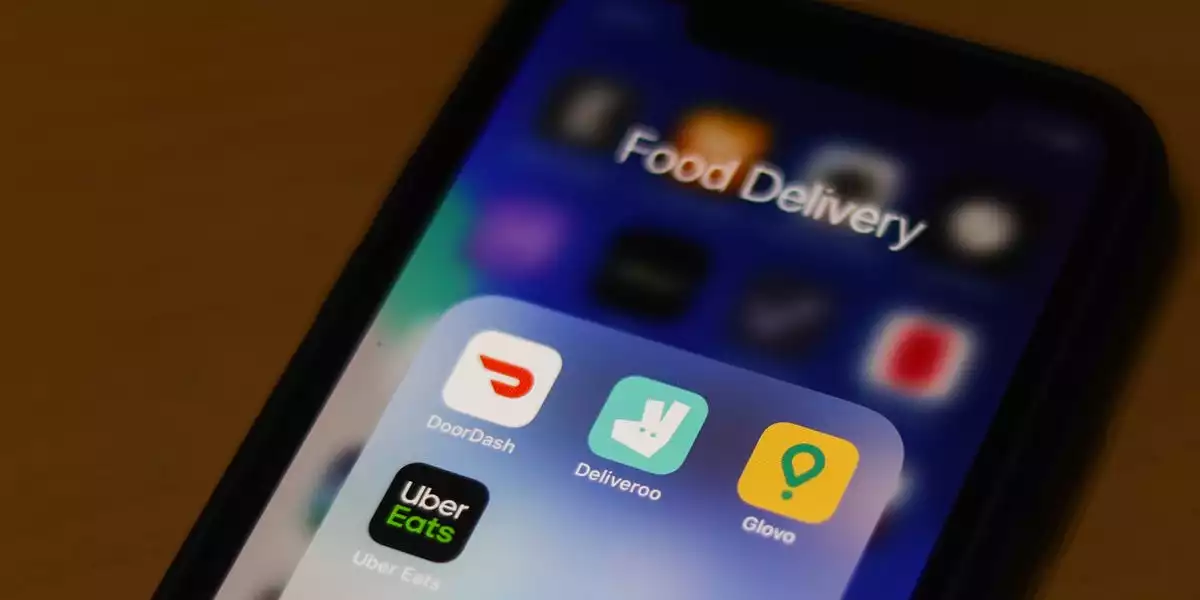
The global food delivery market, once the darling of pandemic-era convenience, now finds itself at a crossroads. A personal account of quitting meal-delivery apps—once a staple at 150 transactions per year—serves as a microcosm for a broader, industry-wide inflection. The narrative, while intimate, is emblematic: consumers are re-evaluating not just the cost of dinner, but the very meaning of convenience, value, and self-care.
This shift, subtle yet seismic, signals a new era for the $300-billion food-on-demand sector. Price sensitivity is intensifying, the economics of gig labor are under a magnifying glass, and the ritual of home cooking is making an unexpected comeback. The implications ripple far beyond a single household, touching the strategies of last-mile platforms, ghost kitchens, and the entire convenience ecosystem.
The Price of Convenience: Elasticity and Erosion
At the heart of this transformation lies a simple, uncomfortable truth: the cost of convenience has outpaced its perceived value. With delivery platforms extracting take-rates north of 25%, even modest menu inflation snowballs into end-user price hikes of 35–40% compared to on-premise dining. For many, the sticker shock is no longer a one-off annoyance but a persistent deterrent. The anecdote of a consumer saving over $4,500 annually by abandoning delivery is not just a personal win—it’s a warning flare for platforms whose margins are already razor-thin and heavily subsidized by promotional spend.
The economics are further strained by persistent labor shortages and rising operational costs. Couriers, the lifeblood of the gig economy, demand higher payouts as fuel and maintenance expenses climb. Meanwhile, quality degradation—food arriving tepid, fries gone limp from order stacking—undermines the very promise of delivery. Promotional incentives can’t mask the structural cracks; at a certain threshold, fee hikes don’t just erode value, they drive defection.
Reinventing the Meal: Opportunity Amidst Retrenchment
As consumers recalibrate, so too must the industry’s approach to value creation. The home kitchen, once a relic of pre-pandemic life, is regaining its status as a site of agency and self-care. Grocery chains, meal-kit providers, and appliance makers are poised to benefit from this reversion. Expect to see:
- Incremental growth in perishables and freezer-aisle “shortcuts” as batch cooking and meal planning become routine.
- A surge in demand for small-footprint appliances—air fryers, multi-cookers—bundled with digital recipe ecosystems and subscription ingredients.
- CPG innovation around modular, partially prepared components that offer speed without sacrificing the psychological reward of cooking.
For restaurants and ghost kitchens, the pivot is equally urgent. Hybrid models that blend delivery with intentional pickup—supported by geofenced curbside tech and dedicated lanes—can recapture consumers who now see a ten-minute walk as a wellness ritual, not an inconvenience. Menu engineering, too, will matter: dishes that travel well and hold heat become the new gold standard.
Technology’s Next Act: Automation, Data, and the Pursuit of Quality
The industry’s response is already taking shape in the form of an automation arms race. Investments in computer-vision-guided robotic delivery, temperature-controlled smart lockers, and AI-driven batch routing are accelerating. The goal: compress variable costs and mitigate quality decay. Yet, technology alone cannot solve for shifting consumer psychology.
Data science, once focused solely on order frequency, must now track elasticity signals—such as the interval between an abandoned cart and a spike in grocery transactions—to predict and preempt churn. Loyalty programs will need to reward not just frequency, but intentionality and value alignment.
Meanwhile, sustainability narratives—eliminating single-use packaging, reducing courier emissions—are regaining traction. For the eco-conscious, “self-performed logistics” is more than a cost-saving measure; it’s a statement of values.
Navigating the New Normal: Signals and Strategic Imperatives
The sector’s equilibrium is delicate. Inflation in the food-away-from-home category continues to outpace wage growth, amplifying cost scrutiny. Regulatory rumblings around gig-worker classification threaten to further elevate labor costs. Venture capital, ever the canary in the coal mine, is shifting toward robotic delivery and autonomous kitchen startups—a tacit acknowledgment that the old model may be reaching its limits.
Executives across food service, retail, and technology would do well to heed the signals:
- Monitor monthly active user contraction and order-frequency declines from leading aggregators.
- Track meal-kit subscription uptake among urban Gen-Z and Millennials—the former power users of delivery.
- Watch for regulatory developments that could force price recalibrations.
- Observe VC funding flows as a barometer of industry confidence and innovation priorities.
What began as one person’s lifestyle pivot is, in fact, a harbinger of a sector in flux. The emerging “intentional convenience” mindset is both a threat to legacy margin structures and a catalyst for reinvention. Those who redefine convenience—not as speed alone, but as a blend of quality, transparency, and personal agency—will be best positioned to capture the next wave of loyalty and profitable growth.


 By
By
 By
By
 By
By
 By
By
 By
By
 By
By