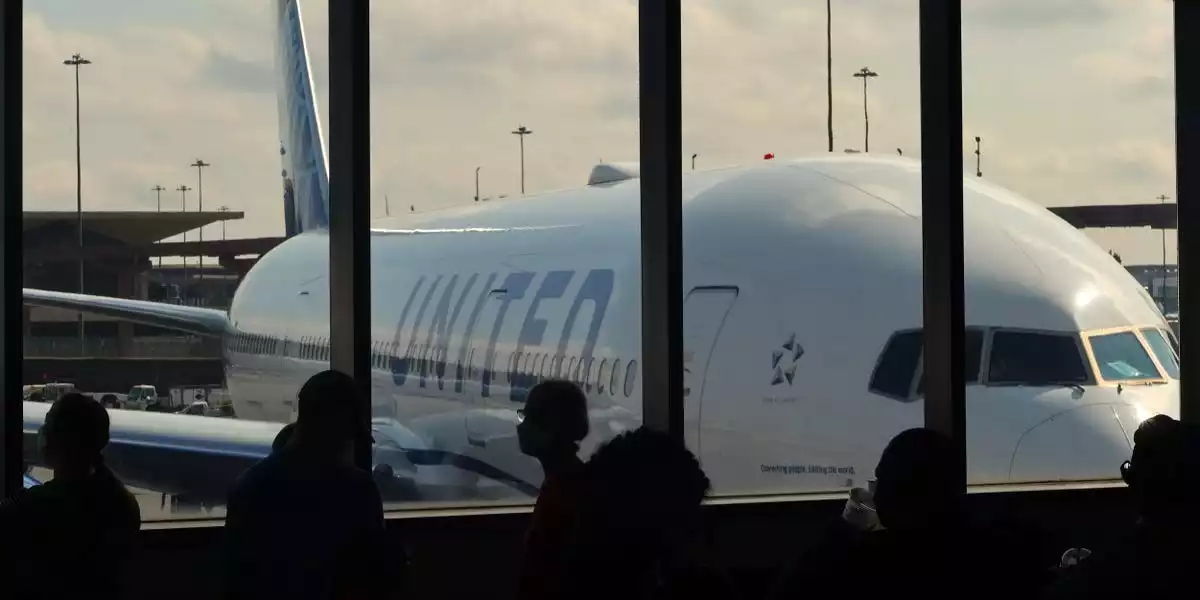

Newark’s Turbulent Spring: Anatomy of a Hub’s Operational Reset
In the annals of American aviation, Newark Liberty International Airport has long played the role of both gateway and bottleneck—a critical node whose fortunes ripple across the entire Northeast corridor. This spring, Newark’s vulnerabilities were laid bare. Five-hour delays became the norm, not the exception, as a perfect storm of chronic air-traffic controller shortages, legacy IT failures, and runway construction converged to hobble the airport’s throughput. United Airlines, which operates roughly 70% of Newark departures, found itself at the eye of this storm, its operational dominance suddenly a liability.
Yet, by late June, Newark’s fortunes had reversed. Through a blend of regulatory intervention, accelerated infrastructure delivery, and digital modernization, the airport not only clawed back lost performance but, in some metrics, surpassed its pre-crisis baseline. The episode offers a revealing case study in how structural fragility can be transmuted—under pressure—into competitive strength.
Regulatory Levers and Infrastructure Acceleration: The Anatomy of a Turnaround
The Federal Aviation Administration’s decision to impose a 10% summer reduction in scheduled operations at Newark was, on its face, a blunt instrument. Yet the move accomplished what months of incremental fixes could not: it shifted congestion risk from the day-of-operations chaos to the planning horizon, granting the airport a window to address its most acute constraints. This temporary cap, notably, did not require a full slot reallocation, preserving United’s strategic position while equalizing the competitive landscape vis-à-vis LaGuardia and JFK.
Perhaps more remarkable was the accelerated completion of runway construction—an outcome rarely witnessed in the glacial world of public infrastructure. Here, the reputational risk borne by both regulators and United’s management catalyzed a rare alignment of public and private incentives. The result: a critical chokepoint was eliminated ahead of schedule, compressing the timeline for Newark’s operational reset.
Yet, the episode also exposed a deeper, systemic fragility. Newark’s air-traffic controller headcount remains roughly 25% below FAA targets—a deficit mirrored at other major U.S. airports. As domestic air travel demand now consistently exceeds 2019 levels, the national controller shortfall looms as a potential brake on the broader recovery, with implications far beyond the Hudson.
Technology Under Duress: From Legacy Systems to AI-Driven Recovery
If infrastructure was the most visible constraint, technology proved the most insidious. United’s ground-handling and dispatch systems—some dating back to the pre-merger Continental era—buckled under the stress of cascading delays. The FAA’s flight-cap window, paradoxically, became an opportunity: United was able to fast-track cloud migration and resiliency upgrades, transforming forced downtime into a catalyst for digital modernization.
Perhaps most consequential was the deployment of AI-enabled disruption-recovery models. These machine-learning systems reportedly reduced schedule re-optimization cycles from hours to mere minutes, a quantum leap in operational agility. As such technologies scale, the performance gap between carriers is likely to widen, with those able to harness predictive analytics enjoying a durable edge in both reliability and customer experience.
Strategic Implications: Competitive Moats and the Future of Capacity Controls
Newark’s ordeal has underscored the enduring value of slot-scarce hubs as economic moats. Airports like Newark, LaGuardia, and Washington National account for less than 5% of U.S. departures but command an outsized share of high-yield traffic. Control of these gateways confers not just pricing power—helping to offset rising labor and fuel costs—but also a formidable barrier to competitive incursion.
For United, the episode has validated a strategy of network diversification. Even as Newark’s woes temporarily depressed load factors by 15 percentage points and compressed Q2 margins, the airline posted record Atlantic yields and sustained robust domestic leisure demand. The quick rebound in bookings, with no lingering drag projected into Q4, attests to the underlying resilience of United’s New York-centric customer base—and to the elasticity of premium-fare demand once reliability is restored.
Looking forward, the FAA’s willingness to impose ad-hoc flight caps may foreshadow a more interventionist regulatory posture at other congested hubs should post-pandemic surges persist. Airlines and airports must now model scenarios where growth is governed not solely by market demand, but by regulator-driven throttles. In this environment, granular data on the cost of irregular operations will become a critical asset, informing everything from slot valuation to alliance negotiations.
For decision-makers, the Newark reset is a clarion call: operational reliability is no longer a back-office concern but a core driver of competitive advantage and shareholder value. Investments in staffing, next-gen air-traffic systems, and resilient IT architectures are not mere cost centers—they are the new determinants of market leadership in an industry where the margin for error has never been narrower.


 By
By

 By
By
 By
By
 By
By

 By
By