
The Shifting Tides of Bridal Retail: Demographics, Dollars, and Desire
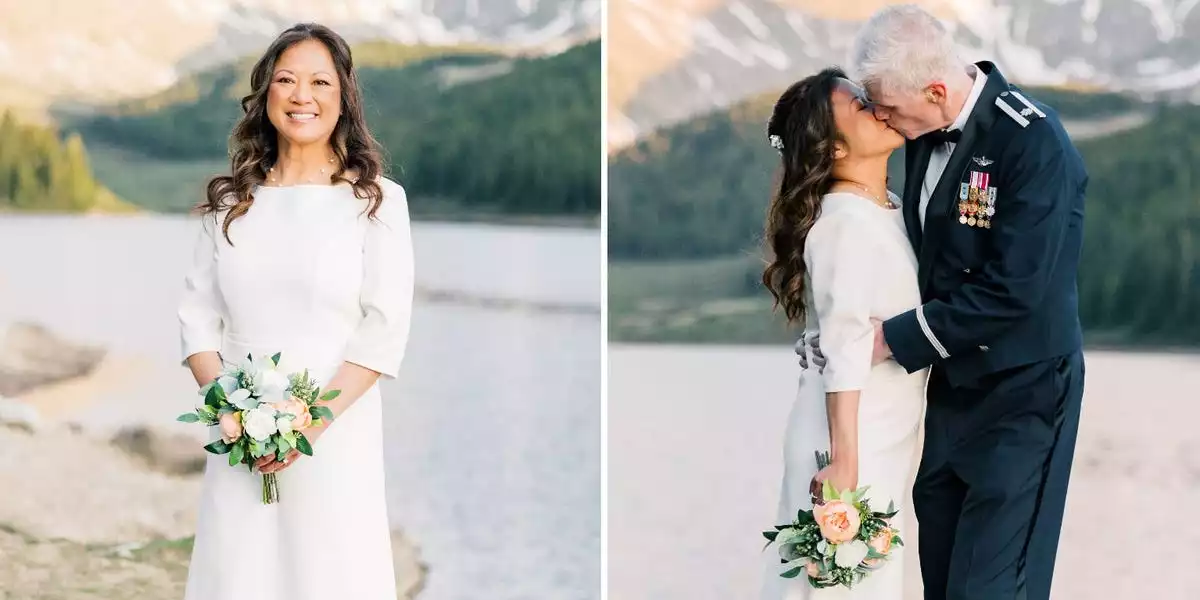
In the hushed sanctuaries of bridal boutiques, where tulle and tradition have long reigned, a quiet revolution is underway. The archetype of the blushing twenty-something bride is yielding to a far more complex reality: women over 35 now constitute the fastest-growing segment of first- and second-time brides in North America and Western Europe. Yet, as this demographic ascends, the retail landscape remains stubbornly anchored to millennial aesthetics and first-marriage fantasies. The result is a widening chasm between what legacy retailers offer and what modern consumers actually seek.
This disconnect is sharpened by the economic climate. Stagnant real disposable income and inflationary pressures have made consumers wary of high-ticket, single-use purchases. A $500 wedding dress—a reasonable splurge in the late 1990s—would cost nearly $950 today, still a far cry from the $2,000-plus average price tag at mainstream boutiques. For many, the calculus is shifting from “dream dress at any cost” to “value, versatility, and authenticity.” Post-pandemic sensibilities—minimalism, sustainability, and a hunger for genuine self-expression—have fragmented the style spectrum, rendering one-size-fits-all merchandising obsolete.
Digital Marketplaces: The Long Tail Comes to the Altar
Into this breach step the digital marketplaces, with Etsy as the emblematic standard-bearer. These platforms have operationalized the “long tail” theory, aggregating thousands of niche suppliers whose individual offerings might be too esoteric for brick-and-mortar, but collectively capture a vast and varied demand. Here, the hunt for a wedding dress becomes an algorithmic journey, guided by search, recommendation engines, and a tapestry of customer reviews and multimedia content. The fitting room is replaced by social proof; the boutique’s velvet couch, by the comfort of one’s own home.
Technological advances underpin this transformation:
- Micro-manufacturing infrastructure: CAD/CAM design, digital patterning, and global small-parcel logistics enable ateliers in Ukraine or Colombia to serve brides in Boston or Berlin, often with remarkable speed and customization.
- Trust and transparency: Escrow payments, chat logs, and robust dispute resolution systems have mitigated early fears of counterfeiting or poor quality, building a trust layer that rivals the in-person assurance of traditional retail.
- Sustainability and ESG alignment: Made-to-order production minimizes waste and unsold inventory, resonating with both eco-conscious consumers and the growing ESG scrutiny faced by private-equity-backed chains.
The result is a democratization of choice and a rebalancing of power. A bride seeking a minimalist, sustainably sourced dress with a $1,000 ceiling can now transact directly with a skilled artisan—sometimes in a war-torn region—whose craftsmanship and story add intangible value to the garment.
Traditional Retailers at a Crossroads: Cost, Customization, and the Experience Paradox
For legacy bridal retailers, these shifts present an existential challenge. Their cost structures—anchored in real estate, inventory, and high-touch staffing—are ill-suited to a market where the purchase occasion is singular and the consumer’s path to purchase is increasingly digital. The vaunted in-store experience, with its rituals and champagne toasts, remains a draw for some, but for a growing cohort, convenience, speed, and ethical sourcing eclipse nostalgia.
Adaptation is possible, but it demands a radical rethink:
- Assortment analytics: Mining search and social data to identify overlooked segments—second marriages, late-age nuptials, non-traditional ceremonies—can unlock new demand.
- Omni-channel personalization: Integrating 3D body scanning or at-home measurement with virtual fitting experiences can marry the boutique’s cachet with the marketplace’s ease.
- Modular design: Offering prêt-à-porter add-ons—detachable sleeves, overskirts—caters to customization while tempering inventory risk.
Some forward-looking retailers are even experimenting with “Etsy Inside” shop-in-shops or white-label collaborations, seeking to harness artisanal supply without diluting their own brand equity.
The Road Ahead: Hybrid Models and the New Formalwear Paradigm
As inflation lingers and discretionary caution becomes the norm, the customizable, value-driven model is poised to gain further traction. Hybrid ecosystems—melding physical fitting lounges with distributed, on-demand manufacturing—are emerging as the future of formalwear. For decision-makers, the imperatives are clear:
- Invest in demand-sensing tools to capture shifting tastes and overlooked demographics.
- Expand verification and fintech services on marketplaces to elevate quality and reduce friction.
- Back multi-country artisan clusters to hedge geopolitical risks and tap into advanced skills and cost advantages.
The bridal segment, once a bastion of tradition, now stands as a microcosm of broader retail transformation. Personalization, transparency, and ethical pragmatism are the new pillars. Those who fail to realign—whether retailer, marketplace, or investor—risk obsolescence in a world where the only constant is change.

 By
By
 By
By
 By
By

 By
By

 By
By